

Dogs need walks—for fitness, for mental well-being, and for bonding time with their people. In the summer, though, even the most fastidious of dog lovers can make one common and painful mistake: underestimating how hot summer pavement really gets. Since dogs don’t (usually) wear shoes, we must consider the pain and damage that can happen to their paws.
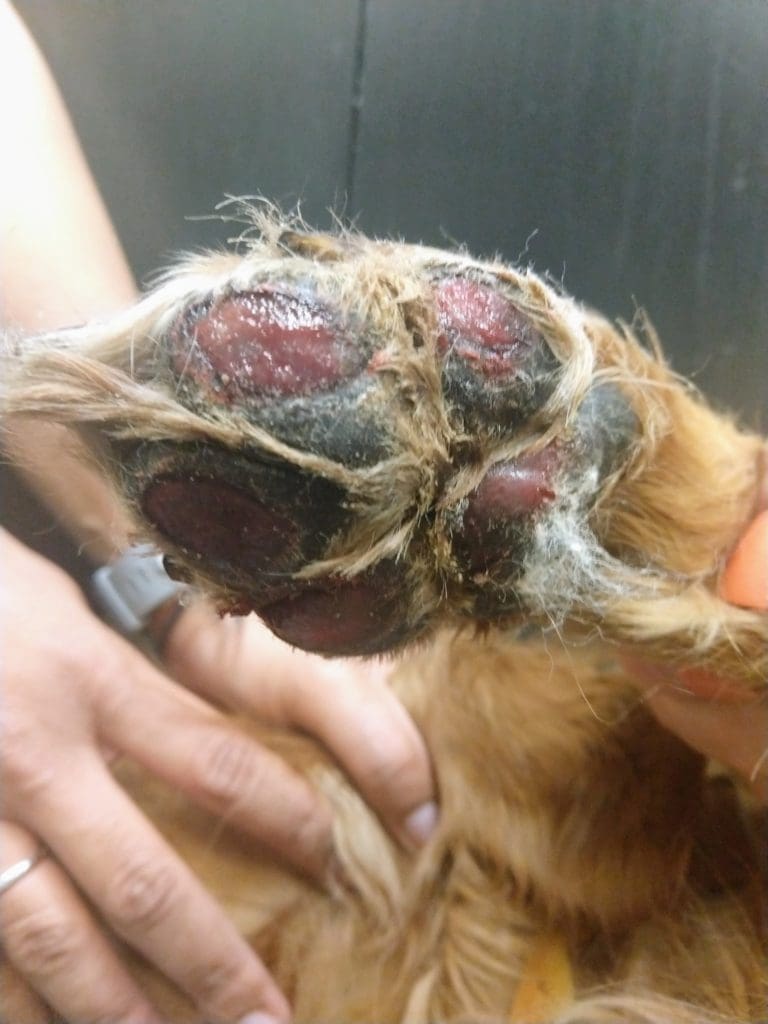
Photo by Medical Lake Veterinary Hospital
Animals are generally much more stoic about their discomfort than humans are. It’s up to us to stay engaged and alert. Dogs aren’t likely to show us that their feet are too hot until they are very hot. By then, some injury may already be happening.
Here’s a perfect example: Last summer, Medical Lake Veterinary Hospital in Washington posted photos of a Golden Retriever on Facebook that went viral. He had been on a one-mile walk with his owner on a hot day. His owner said he didn’t whine or limp on the walk, but later when they were home, they noticed that his paws had been badly burned. Scary to think how easily this can happen.
How Hot is Too Hot to Walk Dogs on Pavement?
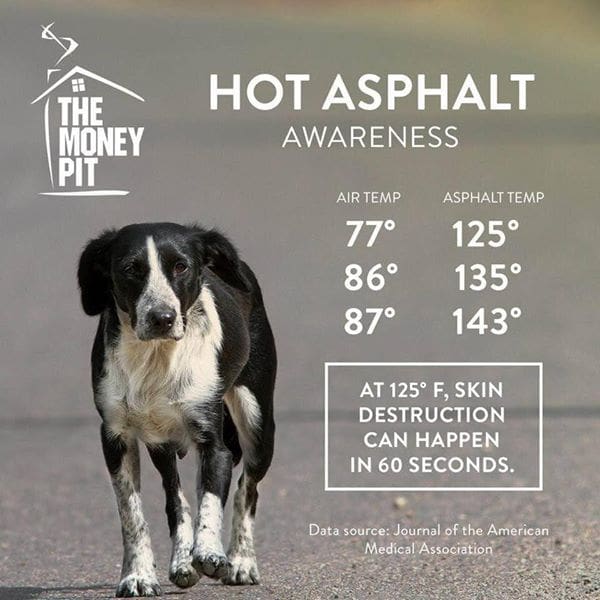
This comes down to a combination of air temperature and time of day. Since pavement cools some during the night, 80°F in the morning isn’t yet going to yield pavement temperatures that 80°F in the afternoon will. So how do you know for sure?
If it’s too hot for your hand to stay on the pavement for 5 seconds, it’s too hot for paws.
This applies to parking lots, too. It may seem like a super-fast trip into your local pet store with your pup, but hot is hot! Do a check, and take the long, shady route into the store if there is one. Further, in extremely hot weather, even synthetic grass like AstroTurf or light-colored concrete can be painful.

Photo by Medical Lake Veterinary Hospital
So What’s a Dog Lover to Do?
- Stick to the grass and dirt as much as possible, even if that means altering your normal route.
- Shift your schedule to early morning walks.
- Try dog shoes! There are many brands of dog shoes available to protect paws from extreme weather.
 It’s Not Just Bad Behavior
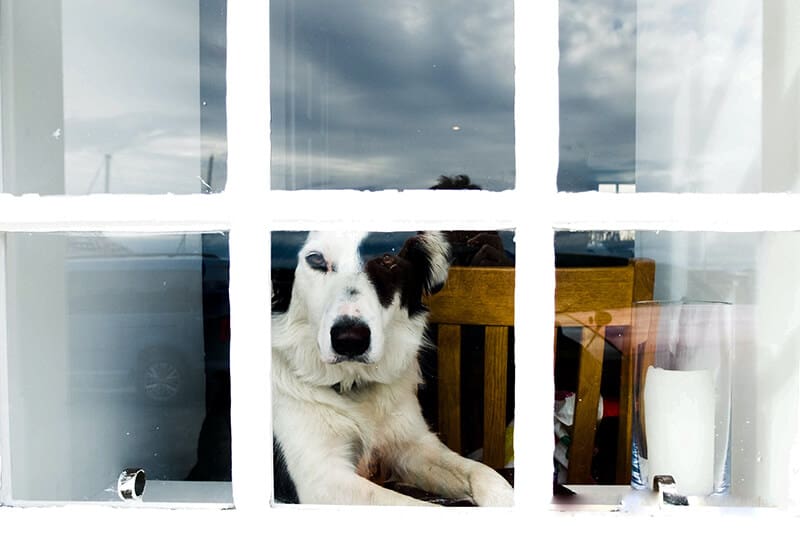 Separation anxiety hasn’t been a problem before? Not familiar with it? Let’s start with what it is.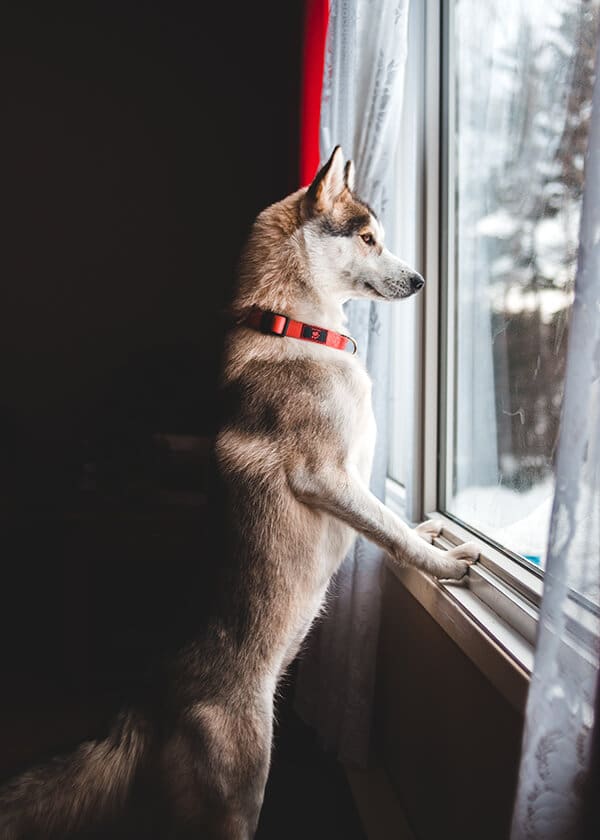
 Ever wonder why cats have such striking eyes? They really are beautiful. Vibrant iris colors that shine like gems contrasted by stark, vertical pupils that make feline eyes seem much more intense than our own. We all know that most bits of anatomy have a specific purpose. A cat’s slivered pupils, in particular, are no exception. They are perfectly designed!
 In a 2015 study of
 taunt your dog, knock things off your nightstand, and curl up in your lap until it’s time to request a stir of the kibble bowl again. And they are purrfectly happy living lives of luxury while chasing the occasional housefly around the house.
 Thanks to a study utilizing GPS data from 925 pet cats, we are able to quantify what cats are actually up to when you let them out of the house. The numbers are surprising!
 Our well-fed cats are killing songbirds, baby bunnies, beneficial lizards, butterflies, and more at higher rates than the natural, wild predators in the same areas who do depend on the kills to survive.
 COVID-19 (coronavirus) and the subsequent
 “Ehrlichiosis” is a broad term for any of a group of diseases caused by the closely-related Ehrlichia, Anaplasma, and Neorickettsia bacteria. Dogs and humans are much more susceptible than cats are, and dogs are primarily affected by Ehrlichia canis. Brown dog ticks spread the illness when they bite their hosts, and in the United States, it is most common in the South. We see it every year in Raleigh!