
"Of all possessions, a friend is the most precious."

- Heradotus

Thunder and lightning may put a damper on your summer plans, but for some pet parents, the worst part of bad weather is struggling to console a distraught dog. 

If a stormy forecast sends your dog into hiding, or brings out obnoxious or destructive behavior, it’s important to lead with empathy. The better you understand what your dog finds upsetting about rumblings in the sky, the simpler it is to find solutions to help you weather the storm with less anxiety. 

dog hiding thunderphobiaWhy do Storms Make Dogs Nervous?

Like other common causes of anxiety, such as sirens and fireworks, claps of thunder can startle and frighten dogs. Given that a dog’s sense of hearing is roughly four times as sensitive as the average human’s, loud noises alone are an understandable source of fear. Unfortunately, other factors can make your dog’s storm phobia more complex than other scary sounds.  

Dogs’ heightened senses may contribute to an overall more intense experience of inclement weather. Scientists believe that the ability to detect dropping barometric pressure can activate your dog’s deeply-rooted instincts to seek shelter. Despite being safely inside, dogs may feel an urgent need to dig or burrow, often at the expense of your carpet or furniture. 

Storm anxiety can also be the result of much less abstract fear. Bad weather can cause a buildup of static electricity in dogs’ fur, especially in those with thick or double coats. Much like when we’ve shuffled across carpet while wearing socks, contact with a metal surface can cause a painful zap when the electricity is discharged. Dogs who associate storms with being shocked will understandably learn to dread darkening skies. 

What Are Common Symptoms of Anxiety in Dogs?

Because of their sensitivity to barometric pressure and changing wind directions, dogs with thunder phobia can sometimes begin behaving strangely before their humans are even aware that a storm is approaching. 

Classic signs of canine anxiety include: 

  • Whining
  • Howling
  • Licking lips
  • Yawning
  • Widened eyes
  • Shaking
  • Destructive behavior
  • Resource guarding or aggression
  • Drooling or panting
  • Tucked tail or pinned ears
  • Excessive barking

How to Keep Your Dog Calm During Thunder or Fireworks

Summertime means long walks and sunny days at the dog park, but it also comes with a heightened frequency of anxiety-provoking thunderstorms as well as celebratory noises. Here are some strategies for helping your canine companion manage their fears. 

Offer Some Distraction.dog scared of thunder

Dogs respond well to positive reinforcement — and they tend to take behavioral cues from their humans. If storms in the forecast fill you with dread over anticipated problematic behaviors, you’re likely to help create what you fear. 

Look for ways to form more positive associations with bad weather for both you and your dog. Set aside favorite toys and treats and be ready to offer a little extra attention and affection. With patience and persistence, you may be able to establish a link between dark skies and playtime. 

Create a Safe Space.

At the end of the day, our dogs are den animals. Ensuring that your dog has a place to hide away that feels secure and fully their own will discourage them from trying to create one by destroying your bedding or furniture. 

Start early to establish your dog’s personal space, whether it’s a crate or an area of your home, such as a closet. When storms roll in, ensure your dog has easy access to this space to take some quiet time. Playing soft music can also help counter noise phobias in dogs. Calming classical music has been shown to help with thunderphobia, as well as other anxieties. 

Try an Anxiety Vest.

Some pet parents swear by anxiety vests, like Thunderworks’ ThunderShirt, which fit around dogs’ bodies to apply gentle compression. In the same way that swaddling soothes babies, the feeling of being wrapped can calm pets’ autonomic nervous systems and reduce the “fight or flight” sensation triggered by thunder. 

Team up with Your Vet.

Make your veterinarian your partner in managing distress brought on by storms, sirens, or fireworks. 

Take note of your dog’s triggers, how their anxiety typically manifests, and how long it takes for it to resolve. Your vet may recommend medications that can help your canine companion feel more at ease during stormy weather. 
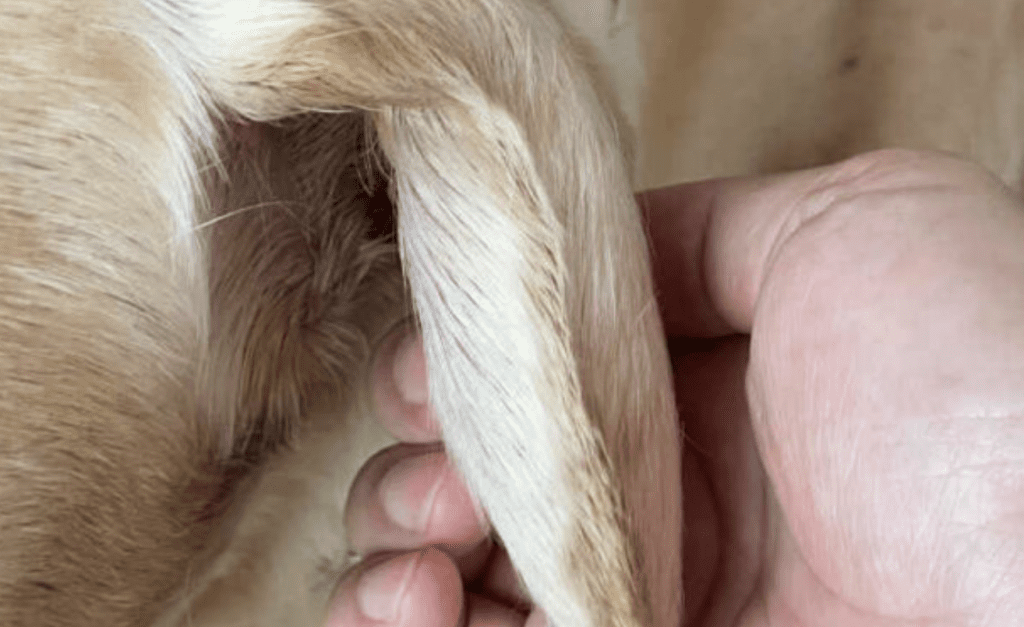
Is your dog suddenly shying away from ear scratches? If your dog is being protective of an ear or you notice redness and swelling, a hematoma may be to blame. Though fairly common, this condition is painful and will require treatment from your vet.

Here’s how to recognize a hematoma and look out for your best friend’s ears. 

What is an aural hematoma?

dog ear hematoma

photo credit: Senior Tail Waggers

An aural hematoma is essentially a blood blister that occurs on the pinna, or flap, of your dog’s ear. They are almost always the result of trauma. 

Minor injuries can break the blood vessels that run between the delicate skin and cartilage of a dog’s ear, causing a blood-filled pocket to form. Hematomas can vary in size and may feel firm or squishy to the touch, though your pet will likely protest if you try to handle their ears. 

What causes hematomas in dogs’ ears?

Though any kind of injury to the ear could cause a hematoma, they most frequently occur when allergies, infections, or ear mites cause dogs to scratch their ears or shake their heads excessively. 

Dog breeds most at risk:beagle aural hematoma

Because they are usually the result of self-injuries from scratching and pawing, breeds prone to ear infections are at the greatest risk for aural hematomas. Be extra vigilant with pups with floppy ears and heavy skin folds like: 

  • Basset hounds
  • Cocker spaniels 
  • Beagles
  • Shar-Peis
  • Labradors
  • Boxers
  • Bloodhounds 

Can I prevent them?

The best way to prevent hematomas is by addressing their common root causes. This means treating your dog’s seasonal allergies, keeping their ears clean, and seeking help for ear infections right away.

How are aural hematomas treated?

This condition won’t typically resolve on its own. Untreated hematomas can cause pets pain, block the ear canal and prolong infections, due to scar tissue. They may also leave behind a pocket in the tissue of your pup’s ear that is likely to quickly refill with blood. 

Your vet will place a drain to resolve the hematoma so that it doesn’t recur and treat the underlying condition that caused it to develop. 

What to do if a hematoma bursts on its own:

If a hematoma does rupture on its own, clean the area with mild soap and water and apply gentle pressure to the ear to stop the bleeding. 

A veterinarian will still need to repair the area to prevent infections and keep the hematoma from refilling with blood.

If your pup is whimpering, panting, or favoring a limb, it’s likely they are experiencing discomfort. Arthritis and common injuries like sprains, ACL tears, and luxating patella can stop even the most active canines in their tracks.

It’s completely understandable that concerned pet parents might start looking for solutions to their dog’s pain in their own medicine cabinet, but attempting to treat your pet with human analgesics can have dire consequences. 

can I give my dog TylenolWill Over-the-Counter Pain Medicines Work for My Dog?

Tylenol, aspirin, and ibuprofen are toxic to dogs. 

Tylenol is one of the most widely recognized brands of acetaminophen, an over-the-counter drug that reduces fever and relieves pain. Acetaminophen is metabolized in the liver. Healthy humans taking the recommended dose are able to break down the drug and safely excrete any toxic byproducts through their urine. The same can’t be said for our canine companions.

Differences in weight, organ systems, and metabolic rate mean that medications like Tylenol and ibuprofen can do serious damage to dogs’ bodies, even in very low doses. 

Symptoms of Acetaminophen Toxicity in Dogs

Between accidental ingestion and misinformed pet parents, OTC medications are first on the ASPCA’s list of the most common pet toxins of 2022

If your dog has eaten Tylenol, symptoms will likely appear within a few hours. Be on the lookout for: 

  • Heavy or rapid breathing
  • Discolored gums
  • Vomiting 
  • Swelling of the face or paws
  • Lack of energy
  • Weakness
  • Discharge from eyes

What to Do If Your Dog Has Tylenol PoisoningDog in cone pain relief

If you have a reason to suspect that your dog has ingested Tylenol, don’t wait for symptoms to appear before seeking help. Damage to your pup’s liver builds up as time passes, so an early intervention is critical to avoid permanent damage. 

Contact your vet or a pet poison helpline right away. A veterinarian can safely induce vomiting or administer medications to flush the drugs from your pet’s system and mitigate harm. 

How to Safely Treat Your Dog’s Pain

If you have a pup in pain, work with your veterinarian to explore safe, effective treatment options. 

Gentle Exercise

Dogs who are aging or recovering from an injury can benefit tremendously from moderate amounts of gentle activity. Promote a healthy weight, strong bones, and stable joints by making exercise a consistent part of your pup’s routine. 

Laser Therapy

Laser therapy uses very targeted wavelengths of light to encourage cell activity and speed healing. These treatments are a non-invasive way to help pets recover from injuries or surgeries and ward off pain from arthritis. 

Veterinary NSAIDs

Fortunately, there are pain relieving medications specifically formulated for pets. Your vet will examine your dog and take into account their size and any pre-existing liver or gastrointestinal conditions to prescribe a safe and effective dose to help your pup’s pain. 


Notice a smooth, bright red or pink bulge in the inner corner of your dog’s eye? Your pup is experiencing a prolapsed nictitating gland, more commonly known as cherry eye.

This condition is common and fairly unmistakable, but prompt medical attention is important to avoid complications. Here’s what pet parents need to know about cherry eye. 

breeds at risk for cherry eyeWhat is cherry eye in dogs?

Puppy eyes are irresistible, but did you know that dogs have a unique third eyelid? This eyelid, called the nictitating membrane, produces the tears that keep dogs’ eyes lubricated and serves as a barrier that protects the cornea from scratches as they run through tall grass and brush. 

Sometimes, the connective tissue of the eye can weaken, and the tear duct housed within the nictitating membrane can thicken and slip out of place. The prolapsed tear duct somewhat resembles a cherry pit — hence the name “cherry eye.”

Can you prevent cherry eye?

Unfortunately, there’s nothing pet parents can do to prevent cherry eye. It’s primarily caused by genetics and is more common in younger dogs. 

What are the risks?

Cherry eye may be common, but it requires quick attention from a vet. 

The nictitating gland prolapse will inhibit the production of tears in the affected eye. If left untreated, it can lead to dry-eye severe enough to cause extreme pain, eye damage, and even blindness.

Dogs may also scratch or paw at a prolapsed tear duct, causing it to bleed or become infected. 

Dog Breeds Prone to Cherry Eyedogs prone to cherry eye

Breeds with short muzzles, like pugs and Pekingese, are disproportionately likely to experience cherry eye.

While it can happen to any pup regardless of breed, it’s commonly seen in:

  • Beagles
  • Great Danes
  • Shih Tzus
  • French Bulldogs
  • Boston Terriers
  • English Bulldogs
  • Cocker Spaniels
  • Shar Peis 

How is cherry eye treated?

Occasionally cherry eye can be resolved with prescription steroid drops, but the condition typically requires an operation. 

Your vet will confirm the diagnosis of cherry eye, and then surgically reposition the prolapsed gland and stitch it into place. 

A word of caution:

 Certain “home remedies” may recommend attempting to massage the prolapsed gland into place. Not only can this cause your pup severe pain, but it can also injure the extremely delicate structures of the eye.

Reach out to your veterinarian to explore treatment options as soon as you notice cherry eye. Acting quickly can prevent permanent damage to your dog’s vision. 

Dog allergies are pretty common — around 20% of people experience some level of reaction when they come into contact with pups. 

Allergy sufferers who want to add a dog to their family are understandably drawn to breeds that shed less. Unfortunately, less hair fall doesn’t make your canine companion hypoallergenic. In fact, there is no such thing as a truly “hypoallergenic” breed. 

“Hypoallergenic” is a term that describes something that’s unlikely to cause an allergic reaction, but when it comes to pets, it’s a marketing ploy. On average, breeds described this way actually emit more of the allergen that causes sniffles and sneezing. 

poodle mix hypoallergenicWhat is a dog allergy anyway?

The Canis familiaris allergen, or Can f 1, is responsible for most of the sneezing, congestion, itching, or hives that allergy sufferers experience. It’s so common, it’s even found in a third of homes without dogs.

Can f 1 is a salivary protein. While it’s certainly present in dogs’ coats, the hair is just a vehicle for the true allergens: saliva and epithelial tissue (dander). For this reason, less shedding doesn’t mean that an allergic person will be less reactive to skin or saliva of any particular breed of dog.

What dog breeds are less allergenic?

Multiple studies show that homes with dogs labeled “hypoallergenic” and homes with other breeds actually contain similar levels of Can f 1. Scientifically, the true benefit of having a dog that sheds less is simply that they require less vigilant vacuuming to keep the allergen that the hair distributes from building up in your home. 

Popular low-shedding and hairless breeds include:

  • Poodle
  • Maltese
  • Chinese Crested
  • Portuguese Water Dog
  • Havanese
  • Shih Tzu
  • Yorkshire Terrier
  • American Hairless Terrier
  • Basenji
  • Schnauzer

Breeders who sell “doodle” mixes often claim that they have given another breed of dog a poodle’s “hypoallergenic” qualities, but buyer beware. As with any dog, Can f 1 one will be present in their saliva, and their actual rate of hairfall can be hard to predict.

How to cope with dog allergies:doodle hypoallergenic

For some, pet allergies can trigger more severe respiratory issues that make dog ownership impossible. For those whose symptoms are more of an annoyance, small changes can help you enjoy your canine companion with less runny noses and watery eyes. 

Explore immunotherapy.

Immunotherapy, or allergy shots, may be an effective way to desensitize your immune system to Can f 1. 

For this procedure, a doctor injects the allergy sufferer with a small amount of the allergen over several appointments, effectively training their immune system to be less reactive over time. 

Invest in air filtration.

Pet hair and dander can travel through the air and get caught up in your home’s ventilation system. A HEPA (high efficiency particulate air) filter traps hair and skin cells and prevents them from being recirculated by your HVAC system. 

Practice good housekeeping.

A clean environment can help minimize allergy symptoms. Homes with carpets tend to maintain higher levels of Can f 1 than homes with hardwood or vinyl flooring, but regular dusting, sweeping, and vacuuming go a long way towards reducing allergens. 

A little extra attention to detail in your cleaning routine can help you enjoy your pup with less sneezing and congestion. 


For cat parents who can’t get enough of their kitties’ snuggles, antics, and nose-boops, it’s almost unthinkable that between 60 and 100 million cats are currently homeless throughout the US. 

The enormous homeless cat population is both tragic and hazardous for ecosystems — and shelters are all too often overburdened. Whether you’re hoping to add a cat to your family or simply invested in the well-being of your local pet population, we can all take steps to build a brighter future for our feline friends. 

The Euthanasia Rate for Cats is High

adopt shelter kittensThough the euthanasia rate is typically lower in metropolitan areas, within an hour of Raleigh, NC are shelters that kill the majority of the cats they take in. Sadly, NC is among the five states that account for 52% of all US shelter euthanasias. The most recent available report from Nash County, North Carolina reveals that a startling 80.5% of cats turned in or picked up by the shelter never left. 

Cats have larger litters and are less likely to have identification, so they enter shelters with a much greater risk of euthanasia than dogs. Saving feline lives in shelters starts at home. 

Vaccinate and Spay/Neuter Your Cat

Interactions between domestic and feral cats lead to unintended pregnancies and spread illnesses like:

Though we are still waiting on a vaccine for some of the diseases that threaten cats, an up-to-date vaccine record is the best line of defense against devastating consequences for indoor/outdoor cats (and escape artists). 

Preventative care doesn’t just benefit your kitty — it keeps disease and homeless kittens out of your surrounding community. 

Microchip Your Cat

Collars can come off — and cats are a great deal less likely than dogs to wear them in the first place. 

Kitties who go missing get a brief 72-hour hold in crowded shelters before facing euthanasia. Microchips help ensure that pet parents are reunited with their lost cats in time. 

Adopt, Don’t Shophomeless cat adoption

The most direct way to reduce the number of animals killed in shelters is to grow your family by rescuing a cat. 

Adoption saves lives — your new best friend may be closer than you think. 

Find a Shelter or Rescue Near Me

Ready to meet your new feline companion or searching for a volunteer opportunity? We’re proud to support these local organizations: 

Support Animals in Need

If you want to support the pet population in another way, consider donating to the American Veterinary Medical Foundation’s Veterinary Care Charitable Fund. This program assists with the medical care of pets whose parents are facing financial hardships, as well as those that have been rescued. 


Meal time is most dogs’ favorite part of the day (second only to seeing their humans come through the door). If your pup has suddenly lost interest in eating, it’s a strong indicator that something isn’t right. 

Check out five of the most common reasons why dogs shy away from their food dish so you get them back on the road to good nutrition. 

dog not eating1. Illness

First and foremost, missing meals can be a sign that your pup isn’t feeling well. A decreased appetite is a symptom of many different illnesses, from mild kennel cough to life-threatening issues, including: 

While pet parents shouldn’t automatically panic at their pup’s refusal to eat, anorexia that lasts more than a day or two warrants a visit to your vet

Take note of any other symptoms, like vomiting, diarrhea, and lethargic behavior. The information you provide can help your veterinarian get a complete picture of your dog’s health. 

2. Mouth or Tooth Pain

Anyone who has ever had a broken tooth or canker sore can understand how oral pain makes eating less than enjoyable. 

If your pup is overdue for a dental exam and cleaning, issues with their mouth or teeth may have made crunching on kibble difficult or painful. Be on the lookout for the following:

  • Missing or broken teeth
  • Swollen or red gums
  • Bad breath
  • Excessive drooling

Your pup’s oral health is an important part of their overall well-being, and preventative care is the best way to treat issues before they become severe enough to interfere with eating. 

3. Issues with Your Dog’s Food or Feeding Scheduledog outside not eating

Everyone likes a treat, but too many can impact your dog’s appetite at regular mealtimes. Offer too many snacks and table scraps throughout the day, and you may notice your pup isn’t interested in their kibble at dinner. 

Fussy eating may also be a product of your pet’s individual personality. Some dogs are perfectly happy to eat anything at any time, while others have more defined preferences. If you’ve recently changed their diet, they may not like what they’re being offered. Work with your vet to find a diet that meets your dog’s nutritional needs while tasting great. 

4. Side Effects of Medications or Procedures

If your pup has recently undergone surgery, received a vaccination or booster, or started a new medication, short-term changes to their appetite may come with the territory. 

Your vet can help you understand what to expect as your dog adjusts or recovers so you can distinguish between typical and worrisome behavior. 

5. Stress and Anxiety

In otherwise healthy pups, emotional dysregulation is the most common explanation for missed meals. 

Upsetting events like sirens, fireworks, or thunderstorms can cause your dog to skip tonight’s dinner, but ongoing stressors, like a new pet, a new home, or a drastic change to their daily routine, may take longer to resolve.  

Be patient with your dog and look for ways to accommodate their emotional needs while they adjust. This may be as simple as adjusting meal schedules or feeding your new pet in a separate area of your home. 

Be creative in your search for ways to help your dog feel safe and relaxed, and better eating habits should follow. 


Cats’ lovable antics, snuggles, and affinity for long naps make it easy to forget that they are descended from wild animals. While no longer stalking prey in the Fertile Crescent, modern cats still think of themselves as solitary hunters. 

Even though our kitties no longer have to worry about predators, their instincts still tell them that pain leaves them vulnerable — and they will often go to great lengths to hide it. Cats’ stoicism can make it difficult for pet parents to recognize illness and injuries.

cats hide their painLook out for these tell-tale signs that your cat is hurting so you can get them the treatment they need. 

What are the signs a cat is in pain?

The warning signs can be subtle, but cats often reveal discomfort through changes in their behavior, body posture, and facial expressions. Take note if something seems out of the ordinary — it may be wise to rule out illness or injury as a cause. 

Behavioral Changes

Because they don’t want their pain on display, cats will often avoid uncomfortable activities altogether. Keep an eye out for:

  • Hiding
  • Irritability
  • Distressed vocalizations like hissing and growling
  • Decreased activity
  • Lack of interest in play
  • Poor grooming
  • Loss of appetite 
  • Going to the bathroom outside of the litter box

It’s important to report any specific behavior changes to your vet since they can provide clues to the underlying issue. For example, a  cat who suddenly refuses to eat may be experiencing pain in their teeth or gums. Or if they no longer jump onto their favorite places to perch and lounge, they may have limb, foot, or arthritis pain.

Body Language

Happy, healthy cats tend to walk with their heads high and tails in the air. A kitty in pain is often tense, crouched, and closed off. 

Take note of a typically friendly cat who begins avoiding touch or protecting a particular area of their body.

Facial Expression two cats hide pain

Physical discomfort can sometimes show up on your cat’s face. Be on the lookout for a noticeable grimace that includes tense cheeks, squinted eyes, and flat or pinned-back ears. 

What to do if you suspect your cat is hurting:

Because pain can impact cats’ sociability, grooming, and bathroom habits, pet parents can make the mistake of writing off illness and injury as annoying behavioral changes. It’s important to notice any significant shifts in your kitty’s usual habits and investigate the root cause.

A veterinary examination can help identify the source of any odd behaviors and get your feline friend on the road to recovery. 

Use only veterinarian-prescribed NSAIDs.

After a thorough examination, the course of treatment your vet recommends will vary greatly depending on your cat’s diagnosis. In the meantime, however, never give your cat over-the-counter pain medication intended for humans. Ibuprofen is toxic to cats and dogs, even at very low doses. 

Explore laser therapy for pain management.

Cats who are managing pain now have a non-invasive option in laser therapy. This treatment uses specific wavelengths of light to stimulate cell activity and encourage quicker healing. 

Kitties who are recovering from surgery, nursing an injury, or living with arthritis or joint issues may see significant benefits. Talk to your vet to see if your cat is a good candidate for treatment.