
Did you know that diabetes in dogs and cats is a common illness? Just like with people, certain factors make some pets more likely to develop diabetes. The good news is that a primary factor, obesity, is completely within your control.
 Obesity Greatly Increases Risk of Diabetes in Dogs and Cats
Fat cats and pudgy pups are much more likely to develop diabetes than their svelte counterparts. Not only that, they are also more likely to end up with arthritis, kidney disease, heart disease, dermatologic conditions, lipomas, and more. Unlike humans, pets don’t have the ability to go out and buy chicken nuggets on a whim, and without us, even their exercise is limited. This means that their weight and corresponding health are our responsibility.
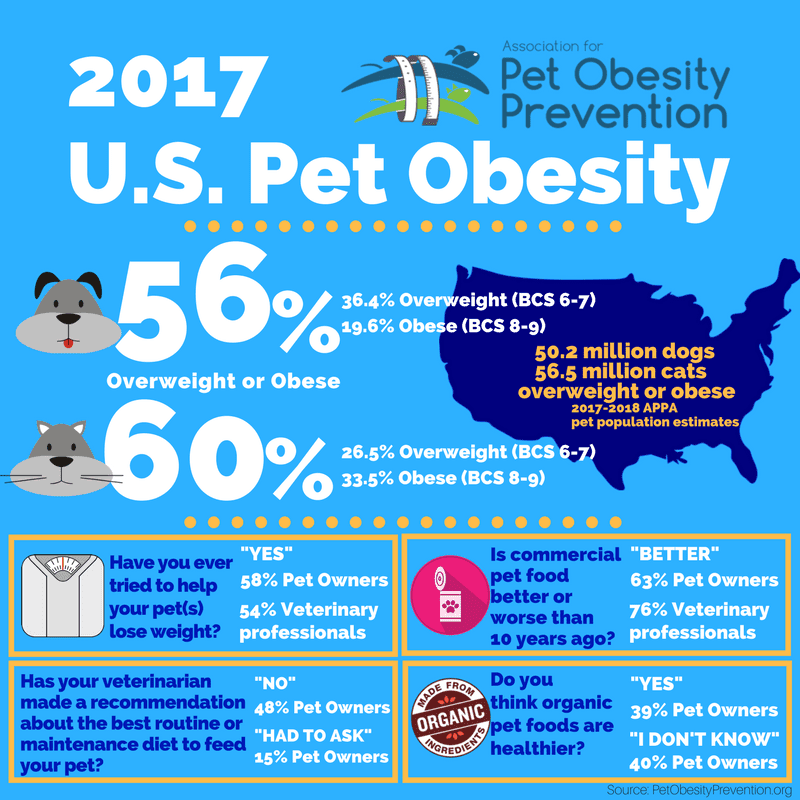
A 2017 survey by the Association for Pet Obesity Prevention found that 60% of cats and 56% of dogs were clinically overweight or obese.
90% of pet owners of overweight cats and 95% of owners of overweight dogs incorrectly identified their pet as normal weight.
For diabetes in dogs and cats, prevention is worth more than a pound of cure… because there isn’t a cure. An early diagnosis and careful management can still allow pets to live happily for years. By comparison, late diagnosis and improper management can result in severe illness or death. This is why it’s so important keep your pets fit, be sure they have their annual wellness exams, and report any possible symptoms to your vet promptly.
Symptoms of Diabetes
- Excessive water drinking and increased urination
- Weight loss, even though there may be an increased appetite
- Decreased appetite as diabetes gets worse
- Cloudy eyes (especially in dogs)
- Chronic or recurring infections
 Help Your Pet Lose Weight
 Help Your Pet Lose Weight
Even if your pet has been overweight for years, it’s never too late to turn back the clock a bit. The internet is full of advice on pet diets, and much of it is inaccurate or incomplete. The perfect starting point is to talk to your vet about nutrition and weight management to determine what is really appropriate for your particular pet based on their age, activity level, and any other possible medical conditions. Remember, vets learned a ton about the science of nutrition over several years in veterinary school, so use them as a resource!
Broadly speaking, be sure that you aren’t ever feeding “junk food” to your pets. Unhealthy table scraps, high-calorie but low-nutrition treats, and too many treats are common culprits. Meal portions may also be too big for your pet’s needs. Looking for options for healthy treats? Your own kitchen is a good place to start. Learn more in our article, “11 Natural, Healthy Treats for Dogs in Your Kitchen”.
This is where exercise also plays an important role. It doesn’t have to be a chore. Exercise can be so much fun for both of you! Play with your cats with their favorite toys to keep them active, throw a ball for your dog every day, or take them for a neighborhood walk that is good for both your bodies! And the added bonus: this is great bonding time for your pets and your family.

 Again, we have a risk of tumors associated with intact pets. Testicular tumors are fairly common in older dogs, though more rare in cats. Most often, these tumors are benign, but there are actually several different types of cancer that can occur, and it’s not rare for more than one type to affect the same patient. Testicles that are not descended are at even higher risk to have malignant tumors. Benign or malignant, both testicles must be surgically removed by neutering to prevent painful or even life-threatening tumor growth.
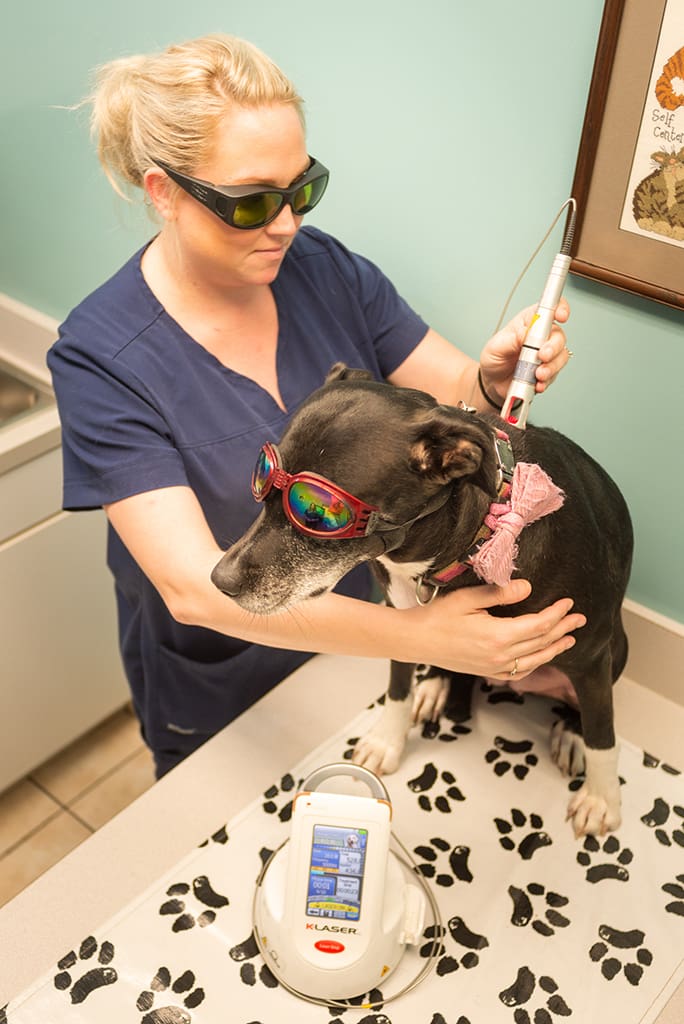 Arthritis pain in dogs and cats doesn’t have to mean high doses of prescription pain relievers as the only source of relief. This is good news given that your pet’s liver can be affected by long-term use of many medications. As veterinarians, we’ve long had to be precise with our recommended dosages and regular follow-up bloodwork for this reason. And while laser therapy doesn’t mean the end of medications, it can mean reduced medications. That, in turn, means reduced side effects.
  As much as we sometimes view our pets as human-like and happily to spoil, adore, and talk to them, it is very important to remember that in some regards they have very different biology than we do. The very same things that we enjoy can make them incredibly ill. This is especially true when it comes to food items. Foods that are toxic to dogs and cats are in every home, and it’s our job as their caretakers to be familiar with what they are.
 What You Should Do
 Polydactyl cats, thumb cats, mitten cats, Hemingway cats, Cardi cats. We’re talking about cats with extra toes, and they have many names. The origin of the word “polydactyl” is Greek: “poly” means many or multiple and “dactyl” means digits or fingers and toes. Curious about these many-toed felines? Read on for four interesting facts about them.
 3. The Extra Toes Aren’t Always in the Same Location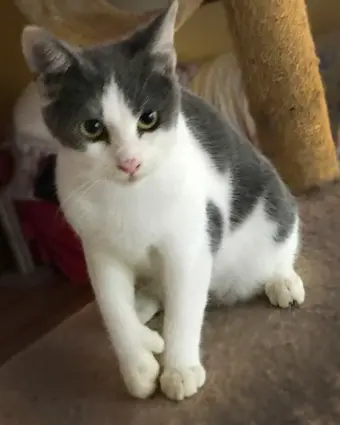

 Family meals, especially around the excess of holiday feasts and gatherings, are often tempting times to share the bones of your leftovers with your dog. But is that a good idea? Even if you aren’t sure, is your pup’s best begging face too much for you to bear?
 The ugly truth is that while most dogs need a professional, veterinary dental cleaning at some point in their lives (these require general anesthesia), dogs who never had their teeth brushed are far more likely to need multiple cleanings, to have infections in the mouth, to require tooth extractions, or to develop major organ diseases because of the damage done by bacteria over time.