
"Of all possessions, a friend is the most precious."

- Heradotus

Good nutrition is essential for a healthy body condition score, glossy coat, and overall quality of life. All pet parents want to give their kitties the very best, but information about pet food is often contradictory and confusing. 

The attempt to untangle the wet vs dry food debate may raise more questions than answers, but current research can help you work with your vet to choose the food and feeding schedule that fit your cat’s individual needs. 
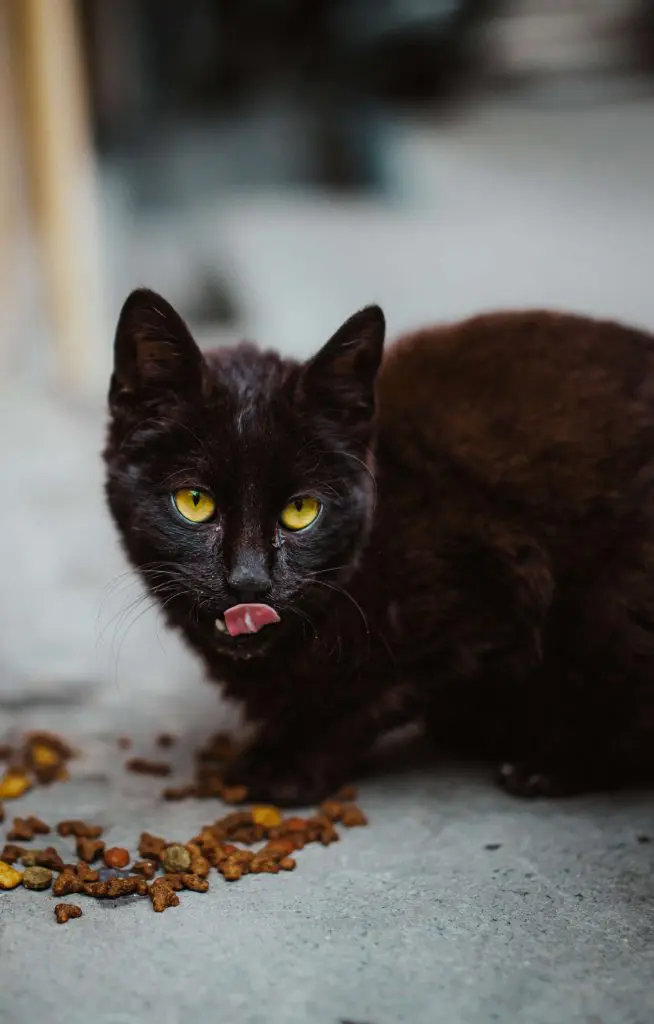
wet vs dry food cat eating kibbleThe case for wet food vs. dry food:

Let’s face it, wet food is on a pedestal. Not only do most cats go crazy at the mere sight of a can, but there also seem to be some common sense benefits. There are also plenty of anecdotal drawbacks.

In general, many pet parents believe that canned food is:

  • Closer to a cat’s “natural” diet
  • A special treat
  • More hydrating than dry food
  • A possible cause of diarrhea
  • Good for weight loss
  • Likely to cause weight gain

If some of these statements seem contradictory — they are! Here is what science has to say about separating myths from facts, and deciding what criteria to prioritize when choosing pet food. 

Is wet food more hydrating for cats?

Cats are notoriously poor drinkers, and chronic dehydration is a known risk factor for chronic kidney disease. At a glance, it only makes sense that canned cat food would be more hydrating than dry kibble. After all, wet food is, well, wet. 

But does a choice of wet or dry food make a difference in your kitty’s body water content and urine concentration? Researchers are skeptical: studies involving cats fed canned and dry diets indicate that overall hydration may depend more on the food’s protein and mineral content than its moisture. This could indicate that healthy cats with access to fresh water adjust their drinking to balance their diet. 

Does wet food give cats diarrhea?

Diarrhea is the double-edged sword of the hydration argument. Some pet parents swear that the canned stuff leads to loose stools, but it’s more likely that tummy troubles are due to the introduction of unfamiliar food.

Many cats are highly sensitive to changes in their regular diet, so new food should always be introduced gradually. If wet food is only an occasional treat, cats who overindulge are likely to experience diarrhea.

Do cats need a low-carb diet? wet vs dry food orange cat

Cats are obligate carnivores that need a protein-based diet to survive, but does this mean that carbohydrates are bad for kitties? 

Conventional wisdom states that dry food’s higher carb content elevates cats’ blood glucose, increasing the risk of feline diabetes. The science, however, doesn’t necessarily bear this out. 

While cats certainly metabolize carbohydrates differently than omnivores, they still metabolize them efficiently. Most research doesn’t point to any association between carbs and feline diabetes. Other factors, like your cat’s feeding schedule and the overall nutrition content of their food, are much better predictors of well-regulated blood glucose. 

Is wet or dry food better for weight loss?

Wet food often looks meaty and indulgent, and most cats’ enthusiasm for the tell-tale sound of the can opener would have pet parents believe that it is richer than kibble. 

In fact, canned food’s high moisture content means that it is typically less calorie dense than dry cat food. Does this mean that the wet stuff can help plump kitties shed pounds? The answer appears to be an underwhelming it depends. 

A healthy weight is a better safeguard against feline diabetes than any specific type of cat food, but nutrition certainly matters. Cats that eat too much or too often are at risk for poor quality of life. If you’re concerned about your kitty’s body condition score, talk to your veterinarian to determine the optimal serving sizes and feeding schedule for your cat. 

The Bottom Line

Can both wet and dry cat food be part of a healthy diet? Absolutely!

The meaningful differences in their pros and cons are related to your kitty’s specific individual needs and preferences. If you’ve noticed changes in your cat’s weight, bathroom habits, activity level, or general health, it’s important to visit your veterinarian to address possible underlying causes before chalking it up to diet. 

Unlike dogs, cats won’t always eat what is put in front of them. With effort and patience, you can establish a balanced diet that’s as nutritious as it is tasty. 

Whether your pet is recovering from a surgical procedure or coping with chronic joint issues, you can’t help but feel their pain.

Light therapy, also called photobiomodulation (PBM), is a promising treatment that has been shown to speed healing and relieve pain in cats and dogs. As veterinary scientists learn more about the potential uses and benefits of different modalities of PBM, here are a few things pet parents should know about this noninvasive procedure. 

laser therapy catHow do laser and red light therapies work for pets?


Both laser and red light therapy use different wavelengths of light, ranging from visible red light to infrared light that we cannot see, to stimulate electrons in the mitochondria of pets’ cells. This increase in cell activity results in faster healing, better blood flow, and decreased inflammation. 

The main difference between laser therapy and general red light therapy is that the Class IV lasers used in veterinary and human medical offices offer stronger and significantly more targeted treatment. Clinical models of these low-level laser devices (LLLDs), like the K-Laser, harness specific wavelengths of light that don’t produce heat. These “cold lasers” hone in on specific treatment areas—even deep in the body, like hip joints—and ensure that cats and dogs remain comfortable throughout the procedure. 

What does laser therapy treat?

Because light therapy encourages cell activity, it’s great for promoting new skin growth, collagen production,  bone healing, and reducing inflammation. 

Veterinarians have seen great results in dogs and cats with conditions like:

Is laser therapy painful?laser therapy dog

Photobiomodulation is noninvasive and well-tolerated by both cats and dogs. Targeted cold lasers don’t become hot to the touch, so most pets are completely unphased by treatment. 

Additionally, laser therapy can provide alternative pain relief for pets with liver, kidney, or stomach problems that make it difficult for them to tolerate veterinary NSAIDs. 

How many treatments are needed?

In general, the benefits of laser therapy build over time. Some pets will experience improvements right away, while others may require several sessions to see results. 

Your veterinarian can supervise treatments to determine the optimal regimen for your pet’s specific needs.  

Can you do red light therapy for dogs and cats at home?

While there are products pet parents can purchase to administer red light therapy at home, there are important risks to consider. 

At-home red light therapies typically use less-targeted LED light to stimulate cell activity. These light-emitting panels, wraps, and crates may pose a potential cancer threat, as some experts are concerned they can cause existing malignant cells to multiply, though research is ongoing. There is also some thought the other way, that a body supported by PBM can better fight cancer cells. The jury is still out on this one. With an absence of data, we have to advise caution. Additionally, many of these products haven’t been evaluated and approved by the FDA.

Class IV Lasers and Your Vet

In a clinical setting, Class IV lasers have been shown to be very safe, painless, and effective. Your vet can zero in on specific treatment areas and monitor your pet’s progress to ensure your furbaby is getting the maximum benefits to improve their quality of life. 

Talk to your vet to establish the best treatment plan for your pet to relieve pain, heal injuries, and rebound quickly from planned procedures. 


Our dogs may not be able to talk, but they have other ways of letting us know when they’re in pain. Whether your pup is living with arthritis or you suspect a torn ACL or joint injury after a play date, you may notice your dog:

  • Whimpering or whining
  • Heavy panting
  • Favoring a limb
  • Hesitating to come when called
  • Licking a leg or paw excessively

can you give dog ibuprofenPet parents seeking a fast solution to their dog’s discomfort may be tempted to reach for the ibuprofen, naproxen, or acetaminophen in the medicine cabinet. Unfortunately, human pain medications can be lethal for our canine companions.

Can dogs take human pain medications?

Even though many over-the-counter pain medicines and veterinary pain medicines belong to the same drug class, veterinary NSAIDs are dosed and formulated differently. 

Dogs’ stomachs break down and absorb ibuprofen faster than humans’ which means that much smaller doses can have more profound and longer-lasting effects on their organ systems. 

Symptoms of ibuprofen poisoning in dogs

If you think your dog may have accidentally eaten or been given ibuprofen, contact your vet right away. 

The mechanism ibuprofen uses to reduce inflammation also reduces blood flow to the kidneys and stomach, which can lead to ulcers and renal damage. Be on the lookout for:

  • Vomiting 
  • Loss of appetite
  • Black, tarry poop
  • Weakness and lethargy
  • Seizures

Pain relief for dogsdon't give dog ibuprofen

Fortunately, there are other options for pups in discomfort. Minimize risky side effects by working with your veterinarian to explore effective treatments for acute or chronic pain. 

Veterinary NSAIDs

Once your vet has had a chance to examine your dog, they can prescribe pup-approved pain medications that take into account your pet’s weight and any existing stomach, liver, or kidney conditions. 

They may also recommend supplements, dietary changes, and gentle exercise for pups dealing with arthritis or ongoing joint problems.

Laser Therapy

Laser therapy is a non-invasive treatment that uses infrared light to stimulate cell turnover and speed healing. Certain wavelengths don’t generate any heat, making these laser sessions fast and comfortable for your dog. 

Pups living with chronic bone and joint conditions like luxating patella and hip dysplasia are often good candidates for laser therapy, as well as those recovering from an injury or planned surgery. 

Though some pets require multiple sessions and others experience the benefits right away, laser therapy is an excellent pain-management option for dogs that can’t take NSAIDs due to stomach sensitivity, allergies, or other health conditions or to use in conjunction with medications for maximum relief


It’s always tough for pet parents when their puppy is feeling under the weather, but prolonged diarrhea can be life-threatening. 

Unlike mature dogs, with their bodily reserves of fat and water, puppies can quickly succumb to dehydration. If you notice your pup is having loose or watery stools, it’s important to monitor them closely for signs of distress. Diarrhea that is accompanied by additional symptoms or doesn’t resolve quickly warrants a visit to the emergency vet. 

puppies playing diarrheaCommon Causes of Diarrhea in Puppies

Because puppies’ immune systems are still developing, they are particularly vulnerable to a number of conditions that can cause diarrhea.

Here are a few of the likely suspects. 

Internal Parasites

Young dogs are frequent hosts for intestinal parasites like hookworms, roundworms, and tapeworms. 

Even if you don’t notice mature worms in your puppy’s stool, they can still experience symptoms as these uninvited guests leach nutrients from their gastrointestinal system. 

A parasitic infection is also likely to be accompanied by:

  • Vomiting
  • Lethargy 
  • Weight loss
  • A pot-bellied appearance

A veterinarian can determine the specific type of parasite your dog is harboring and prescribe an effective deworming medication. 

Viruses and Bacteria

Puppies rely on a clean environment to avoid becoming infected with harmful germs. Contaminated food or drinking water can harbor bacteria like E. coli, listeria, and salmonella – all likely to cause severe, prolonged diarrhea. 

In addition to keeping your puppy’s living space sanitary, it’s important to adhere to your vet’s recommended vaccination schedule. You can greatly reduce your pet’s risk of contracting deadly wasting illnesses like parvo and distemper with preventative care. 

Eating Table Scraps or Garbage

An older dog who rifles through an overturned trash can may experience an upset stomach, but this is even more true for puppies. 

Foods that are unfamiliar, excessively rich, or expired can trigger a bout of diarrhea. Fortunately, watery stools brought on by off-limits food should resolve within a few hours. 

Stressboxer puppy diarrhea

Just like humans can experience stress in our stomachs, your puppy’s diarrhea can be in response to a scary new experience or schedule change. 

Routine is very important for a growing pup, so keeping their day as predictable as possible should reduce stress and improve digestion. Keep a close eye out, however, and visit your vet if diarrhea persists for more than a day or two. 

When to Worry About Diarrhea

Diarrhea that doesn’t resolve on its own within 24-48 hours should be treated as a veterinary emergency. 

If the watery stools have an obvious cause (for example, pizza left on the coffee table) watch your puppy closely to ensure that diarrhea resolves once the irritant has passed through their system. Don’t hesitate to seek help if you notice:

  • Blood in your dog’s stool
  • Vomiting in addition to diarrhea
  • Lethargy
  • Bloating
  • Weakness 
  • Pale gums
  • Abdominal pain

What to do when if your puppy has diarrhea:

One of the greatest dangers of diarrhea in puppies is the risk of dehydration. Encourage your dog to drink by keeping clean water nearby at all times. 

Wait to bathe your puppy until their diarrhea has resolved. Wetting your dog can lower their body temperature and make them more vulnerable to infections. 

Your vet can determine if IV fluids are needed to rehydrate your pup and prescribe medicines to relieve diarrhea. They may also recommend a bland diet, like boiled chicken and rice or canned pumpkin, to help replenish lost nutrients and electrolytes while your pet recovers. 


You love your furbaby, but you’re probably a bit less crazy about furry clothing, carpet, and furniture.

Though some breeds of cats and dogs shed more than others, pet parents can expect at least some hair fall, especially during the spring and fall when temperatures begin to fluctuate. If you feel like your pet’s hair is following you everywhere, there are steps you can take to keep shedding in check. 

dog shedding on couchWhich breeds shed the most?

Unless your pet is a hairless breed, some degree of shedding is inevitable. Both long and short-haired dogs and cats experience a hair growth cycle that ends in shedding, but longer, thicker hair can be more noticeable on clothes and furniture. 

Cat breeds notorious for shedding include:

  • Norwegian Forest Cats
  • Maine Coons
  • Ragdolls
  • Siberians

Similarly, dogs with long or water-repellent coats are likely to leave hair behind, like:

  • Retrievers
  • Huskies
  • Saint Bernards
  • Chow Chows
  • German Shepards 
  • Beagles 

1. Get serious about grooming.

One of the best ways to minimize shedding is to remove detached hair on your own terms. Daily brushing can save your car seats and new black pants – especially when you choose the right tool for the job. Different brushes are better suited for different types of hair, and pets with an undercoat may require special attention. 

Though cats are generally considered self-cleaning creatures, they can also benefit from regular brushing. Maintaining your cat’s coat not only keeps your house clean, it can reduce hairballs. 

If possible, it’s best to incorporate the brush into your pet’s daily routine while they’re still young. With time and practice, most pets come to enjoy getting assistance with grooming from their humans. 

2. Manage shedding through diet.cat shedding on the floor

A healthy coat starts with a healthy diet, but proper nutrition and hydration also play an important role in reducing shedding. Choose a quality pet food that offers a balance of vitamins and fatty acids to keep your furry friend’s skin and hair follicles healthy. 

Don’t forget to keep an eye on the water bowl – dehydration can lead to excessive shedding. Cats can often be poor drinkers, so supplementing kibble with wet cat food is a great way to add water to their diet. 

3. Reduce stress.

For pets, shedding can be a stress response. If there has been a recent change to your household makeup or living situation, you may notice increased hair fall while your pet adjusts. 

If excessive shedding doesn’t resolve on its own or you notice other signs of anxiety, reach out to your vet. Addressing the underlying cause may be the key to curtailing the flying fur. 

4. Make peace with inevitable shedding.

At the end of the day, making small lifestyle adjustments can go a long way toward managing your pet’s hair. 

Slipcovers, lint rollers, and regular vacuuming will help keep your home clean and comfortable, especially during times of the year when shedding is normal and natural. With proper grooming, nutrition, and stress management, you can enjoy year-round snuggles while keeping pet hair contained. 


Though it’s less common in cats, panting isn’t strictly a dog behavior. If your kitty is breathing heavily, it’s a good idea to investigate the cause. Learn the most common explanations for unexpected feline breathing patterns and when they may be cause for alarm. 

cat panting tongue outCommon Causes of Panting in Cats

If your cat is recovering from the zoomies or on high alert around an unexpected house guest, panting is a normal behavior. 

Like us, stress and physical exertion can cause your kitty to breathe heavily. Normal panting should resolve quickly without any other troubling symptoms. However, if odd breathing is accompanied by any of the following, it’s time to seek out a vet:

  • Rasping
  • Coughing
  • Panting that stops and then resumes
  • Wheezing
  • Hiding or aggression
  • Shallow breathing
  • Lethargy
  • Loss of appetite
  • Pale or bluish gums

Feline Asthma

Allergic reactions can cause your cat’s airways to swell and fill with mucus, making it difficult to get a full breath. A cat struggling with asthma may cough, wheeze, and assume a crouched posture as they work to breathe. 

As with humans, asthma attacks are medical emergencies. Fortunately, pet parents can work with their vet to address the underlying cause of feline asthma.  

Heartworms

Though they are more common in dogs, cats can and do contract heartworms. These small, spaghetti-like parasites are spread by mosquitoes. As they develop, they can invade your pet’s heart and lungs and cause respiratory failure. 

Heartworm-related breathing problems in cats are typically marked by labored breathing, lethargy, and loss of appetite. 

Unfortunately, treating heartworms in cats is far more difficult than in dogs—most treatments for dogs cannot be used on  cats. Because of the difficulty in managing heartworm disease in cats once they already have them and their immune system has not resolved the issue, the preferred method of treatment is to remove cat heartworms via surgery. Therefore, the best way to keep your kitty safe is to ask your vet to recommend a heartworm preventative. 

Respiratory Infectionscat panting yawning

“Cat flu” is an umbrella term for upper respiratory infections common in cats. If you notice panting, coughing, and wheezing, seek treatment. Your vet can provide a course of antiviral or antibiotic treatments that will help stop the infection before it settles into your kitty’s lungs and causes complications. 

Congestive Heart Failure

Feline congestive heart failure occurs when the heart doesn’t pump effectively, and fluids that should be circulated build up in the chest cavity. Over time, the excess fluid puts enough pressure on the lungs that they can’t properly expand. 

The symptoms of congestive heart failure are often subtle until the later stages. Panting or wheezing that is accompanied by signs of poor circulation, like pale or blue gums, should be treated like an emergency — seek help immediately. 

Pain or Injuries

Because cats are so stoic, it’s not always obvious when they are ill or injured. Panting can be a telltale sign that your kitty is coping with chronic discomfort.

Odd breathing coupled with hiding, aggression, or trouble with mobility may mean that your cat is struggling with arthritis or other joint problems. Schedule an exam to rule out these more subtle explanations for persistent panting. 

Our dogs can seem pretty far removed from their wolf ancestors – that is until they throw back their heads and let out a long, doleful howl. 

This puzzling canine behavior can be frustrating for pet parents with close neighbors, but an important part of managing howling is understanding what our pups are trying to communicate. Decode these attention-grabbing vocalizations, and you can help meet your dogs’ needs while strengthening your bond. 

why do chihuahuas howl

Dogs howl in response to high-pitched sounds.

The siren from a passing fire truck or ambulance can elicit a howl from even a typically quiet pup. 

Your dog’s instinct to add noise on top of noise may seem counterintuitive, so many dog owners assume their pet is howling because the high-pitched sound is painful to their sensitive ears. The good news is that most experts agree that it’s more likely that these howls are territorial in nature. 

Whether or not they find them threatening, modern dogs probably interpret sirens as another animal announcing its presence. A deep howl is your dog’s way of letting whoever is out there aware that their pack is nearby. This theory is confirmed as emergency vehicles pass by and the sirens fade into the distance: our dogs likely believe that they have successfully driven away the potential interloper. 

Howling is a communication tool.

Did you know wolves howl at each other, not at the moon

Howling is the sophisticated language of our dogs’ ancestors, and though they may sound the same to our ears, these vocalizations can serve many purposes, like:

  • Marking the boundaries of pack territory
  • Attracting a mate
  • Helping lost pack members find their way home
  • Raising alarms
  • Communicating hunting strategy
  • Expressing affection for pack members

It’s important to remember that, even though you may be far away from the arctic tundra, your dog considers you and your household members (furry and otherwise) to be a pack family. Though the nuances may be lost on us, most of the time, howling is just our dogs’ attempt to communicate with us in their language. 

Dogs may howl due to separation anxiety.why do malamutes howl

If calling out to lost and distant pack members is one of the primary purposes of howling, it’s no wonder it’s a common behavior of lonely dogs. 

Though you can’t explain to your pup that their baying doesn’t reach your office, you can take steps to reduce separation anxiety. Dogs that get plenty of exercise and have access to stimulating toys and activities are much more likely to spend their downtime in silence.  

Some dogs howl when in pain.

Before you write off your dog’s howling, it’s important to make certain that it isn’t a response to an illness or injury. 

Vocalizations can sometimes be a way of letting their human parents know that our dogs aren’t feeling well. If the howling doesn’t have an obvious cause (like a passing emergency vehicle) or doesn’t resolve quickly, it’s important to rule out any health conditions that may be causing your pup pain. 

Which dog breeds howl the most?

More wolf-like dogs are notorious for their howling, but all dogs have the potential to be vocal. 

Particularly, hunting breeds tend to retain the instinct to howl in order to strategize with their pack. Though training can reduce unsolicited baying, some dogs will be naturally more inclined to the behavior, including:

  • Huskies
  • Malamutes
  • Basset hounds
  • Dachshunds 
  • Beagles
  • Bloodhounds
  • American Eskimos

What to Do About Howling

If you’ve eliminated the possibility that howling is due to a health condition, the best way to reduce unwanted vocalizing is to avoid reinforcing it. 

Teach your pup that howling isn’t the preferred modality of communication in your pack by waiting to respond or make eye contact until your dog settles down. Reward calm, quiet behavior with treats and attention rather than scolding. Positive training techniques aren’t just good for your relationship with your dog – they are more effective over time. 


Dog parents know that the occasional upset stomach comes with the territory. Infrequent vomiting (especially when there is an obvious cause) isn’t too worrisome, but what about when it’s an alarming color? 

Here are some of the most frequent explanations for our pups’ tummy troubles so you can know when to cook up some chicken and rice – and when to see your vet. 

lab why is dog vomiting yellow foamWhat makes dogs’ vomit yellow?

Vomit that is yellow and foamy likely has a high concentration of bile. Bile is a substance that the gallbladder releases into the small intestines to help break down your dog’s’ food. 

If your pup goes too long between meals or eats something that is particularly fatty or difficult to digest, excess bile can linger once the stomach has emptied. The irritation this causes to your dog’s gastrointestinal tract often leads to recognizably yellow vomit. 

Common causes of bilious vomiting in dogs

In addition to missed meals, anything that puts your pup off their normal eating schedule or introduces unfamiliar foods may lead to excessive bile and an upset stomach. 

Some likely causes of bilious vomiting include:

  • Eating out of the garbage
  • Sneaking fatty table foods
  • Allergic reactions to foods or medicine
  • A low-fiber diet

What should I do if my dog is vomiting bile?

A lower-fat, higher-fiber diet may resolve bilious vomiting by helping your dog steadily digest food. You may also consider breaking larger meals up into multiple smaller ones throughout the day.

If your pup’s stomach issues persist, don’t hesitate to contact your veterinarian. Prolonged vomiting can lead to health complications or have a dangerous underlying cause. 

What about other colors of vomit? terrier why is dog vomiting yellow foam

Unfortunately, dogs can’t tell us what’s bothering them (or fess up to nosing through the trash). The color of your dog’s vomit can provide helpful clues to what may be causing their upset stomach. 

Green. Whether dogs eat grass to relieve nausea or get nausea from eating grass is a great canine mystery. In either case, green vomit is a good indicator that your pup has been grazing. 

Bright red. Cherry red vomit is a sign of upper GI bleeding, ulcers, or irritation. Visit your vet to get treatment and rule out serious health conditions.

Brown. To many pet parents’ chagrin, brown, strong-smelling vomit is the likely result of eating poop. If your home has both dogs and cats, it’s a good idea to come up with a solution that restricts your pup’s access to the litter box.

Dark red or black. Dark vomit or vomit that resembles coffee grounds can indicate lower gastrointestinal bleeding or cancers. Don’t hesitate to visit your vet to investigate its cause. 

White. White or clear vomit may mean that your dog’s stomach is empty, but colorless frothy vomit can also be a sign of bloat. For dogs, bloating is a medical emergency that requires surgical intervention as quickly as possible to prevent internal rupturing and respiratory distress. 

When should I worry?

When it is a one-off event, yellow vomit isn’t a huge source of concern as long as it resolves quickly. However, prolonged yellow, foamy vomiting can be a sign of a more serious condition like liver disease or pancreatitis. 

Monitor your dog carefully after an upset stomach, and respond quickly if the issue persists. Your vet can help identify the source of the vomiting to get your canine companion the relief they need.