The holiday season is often filled with travel, and many families choose to bring their pets along. Extended car trips with your dog or cat can be comfortable and fun with the right preparation — but what about vacations that require you to fly with your pet?
Air travel involves significant changes in their environment and routine, which can be very stressful for animals. Fortunately, with the right steps and veterinary guidance, you can help your pet stay comfortable and calm throughout the journey.
Here’s what pet parents should know about choosing the best travel option, preparing for your flight, and recognizing when air travel may not be right for your companion.
Every airline has its own set of regulations when it comes to pet travel, so begin your vacation planning by researching policies early. Some airlines only allow a certain number of pets per flight, while others have restrictions based on breed, size, or time of year.
 Cabin vs. Cargo Travel
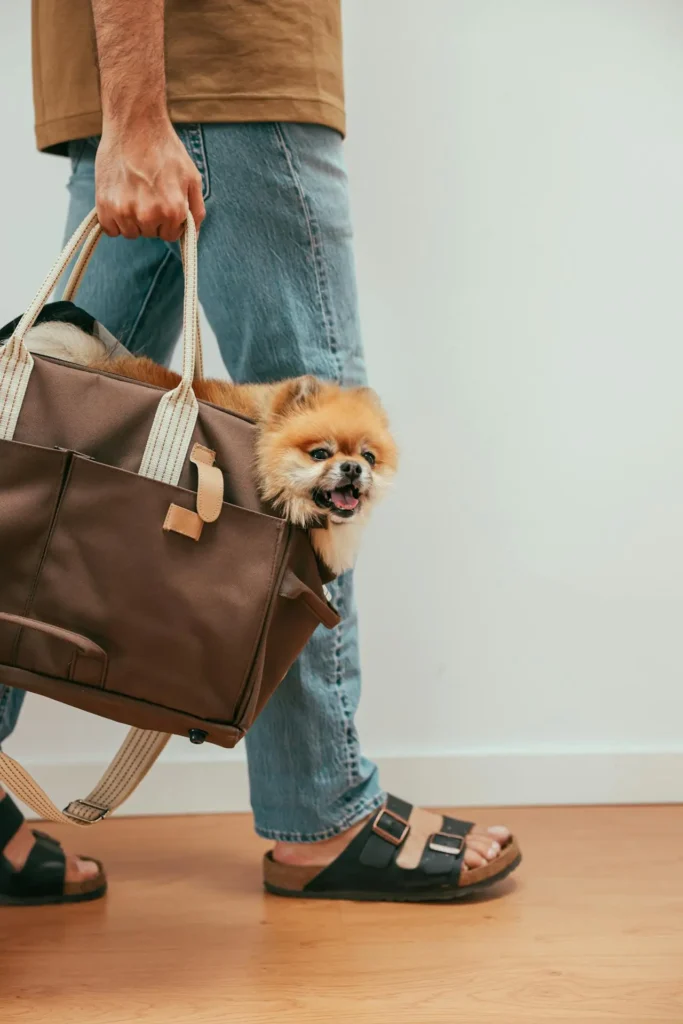
Small pets (typically under 15–20 pounds, including their carrier) may be allowed to fly in the cabin under the seat in front of you. This is generally the safest and least stressful option for pets.
Larger pets, on the other hand, often have to travel as checked baggage or in the cargo area, which can induce more anxiety and carry additional risks. Always choose airlines that have climate-controlled, pressurized cargo holds and follow established animal-handling procedures.
Snub-nosed, or brachycephalic, breeds like Bulldogs, Pugs, Boxers, and Persian cats are at greater risk of breathing problems during flight. Many airlines prohibit these breeds from flying in cargo due to safety concerns.
If you’re traveling out of state or internationally, research local regulations regarding vaccination records and health certificates (for example, Hawaii has rigorous rabies testing requirements to avoid a mandatory quarantine on arrival).
Knowing the rules in advance prevents last-minute surprises and can help you decide whether flying with your pet is the right choice for your family.
The safest way to fly depends largely on your pet’s size, temperament, and overall health.
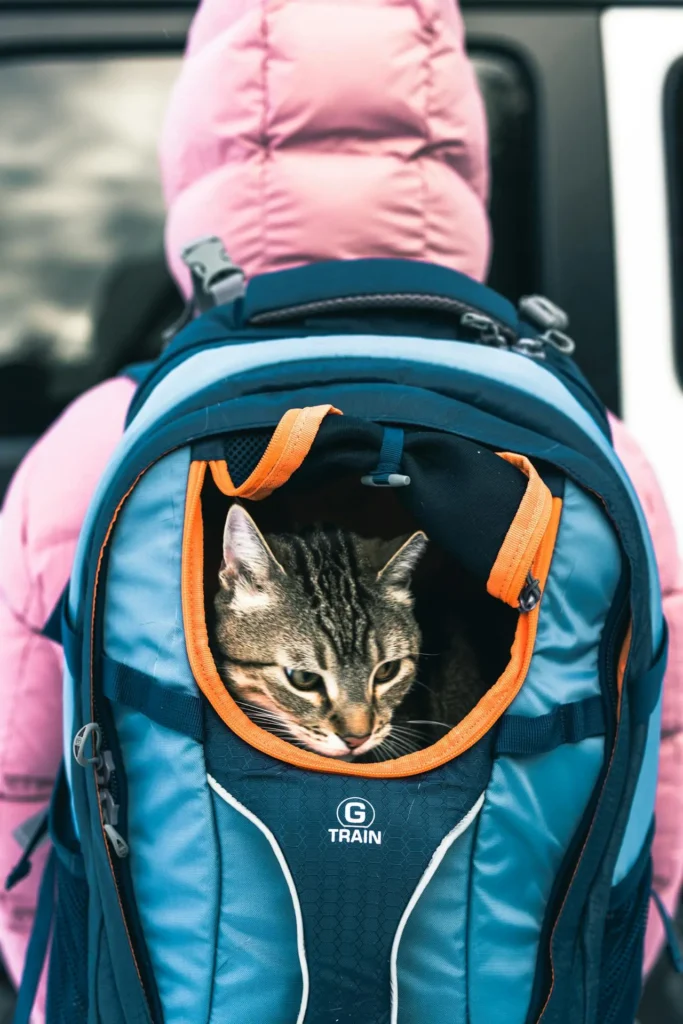
Smaller pets are usually safest and most comfortable flying in-cabin. Choose a soft-sided, airline-approved carrier that fits under the seat but allows your pet to sit, stand, and turn around comfortably.
Make sure it’s well-ventilated and lined with an absorbent pad in case of accidents.
If your pet must fly in cargo, aim for a direct flight to minimize layovers, handling, and separation.
An important consideration for holiday travel is harsh weather. Even if your airline’s animal transport program includes temperature control and other safety measures, extreme weather may cause your pet discomfort in flight. Be aware that some airlines suspend pet travel during the hottest and coldest months of the year for this reason, and always get your veterinarian’s input before you book.
Some animals simply don’t handle travel well. If your dog or cat experiences intense anxiety, fear of confinement, or motion sickness, boarding or staying with a pet sitter may be safer and less distressing.
Before any trip (especially one that involves air travel), schedule a wellness visit with your veterinarian to ensure your pet is healthy and all essential documentation is in order.
Most airlines require a health certificate issued within 10 days of travel, verifying that your pet is healthy and up to date on vaccines. If you’re flying internationally, requirements can be even stricter, so plan ahead to avoid complications.
Your veterinarian can evaluate your pet’s overall health and identify any potential risks associated with pressure and altitude changes. Pets with heart disease, respiratory issues, or severe anxiety may not be good candidates for air travel.
Ask your vet about calming strategies if your pet tends to get nervous. Be aware that sedatives are generally not recommended for flights, since they can interfere with breathing and temperature regulation.
Because travel exposes pets to new environments, make sure flea, tick, and heartworm prevention are all current before you start your journey.
Preparation is the key to a smooth travel day.
Leave the carrier out in your home for several weeks before your trip so your pet has a chance to get acclimated to it. Add treats, bedding, or toys inside to create positive associations.
Practice sessions with car rides can also help your dog or cat adjust to being confined. Especially if your pet is new to travel, start with short trips and offer plenty of treats and praise.
Make sure your packing list includes the things your dog or cat will need during travel and after you arrive at your destination:
Feed your pet a light meal 3–4 hours before the flight to reduce nausea and vomiting, and make time for a walk or play session to release energy before heading to the airport.
Sometimes, the safest decision for your pet is not to fly.
Your veterinarian is likely to discourage air travel for:
If your cat or dog can’t safely travel on an airplane, consider alternatives like driving to your destination, hiring a ground-based pet transport service, or boarding your pet at an accredited facility while you’re away.
By keeping your pet’s health and comfort a priority in your travel plans, you can make the holidays more enjoyable for every member of your family.






At Falls Village Veterinary Hospital, a Raleigh, NC veterinarian, dogs, cats & their families deserve the best. In fact, we specialize in delivering warm, compassionate care that reminds our clients and patients how unique and important they truly are. We provide complete veterinary care including dentistry, laser therapy, surgery, and more. Call us today!