Different procedures require different preoperative care, but preparing your pet for surgery starts with following your veterinarian’s instructions carefully, planning ahead for their recovery, and managing their stress.
Whether your pet is scheduled for a spay/neuter, dental extraction, or an ACL repair, it’s natural to feel a little nervous leading up to surgery. Fortunately, planned procedures give you time to get your pet, yourself, and your home set up for a smooth recovery.
Your veterinary team will guide you through the specifics, but knowing what to expect and anticipating your pet’s needs can make the experience easier for you both.
The most important thing you can do before surgery is adhere to your veterinarian’s specific instructions.
Pre-operative care guidelines are based on factors like your pet’s age, health, medications, and the type of anesthesia being used. Because they aren’t one-size-fits-all, it’s important not to deviate or defer to general advice.
Your vet may require that you:
If anything is unclear, consult with your vet before the day of the surgery. It’s much easier to clarify instructions ahead of time than to discover a misunderstanding after you’ve arrived.
 Why Fasting Matters Before Surgery
Many surgeries require pets to avoid food (fast) for several hours before the procedure. For pets undergoing anesthesia, an empty stomach is an important safety measure.
General anesthesia can affect swallowing and protective airway reflexes. If food is still in your pet’s stomach, there’s a greater risk of vomiting and accidentally aspirating stomach contents while they are sedated, which can lead to serious complications.
If your pet accidentally eats something after the fasting period begins, let your veterinarian know. In some cases, surgery may need to be rescheduled for your pet’s safety.
Pets are sensitive to routines. Especially when their procedure requires changes to normal mealtimes or medication schedules, they may intuit that something out of the ordinary is about to happen.
One of the best ways to help minimize their stress is to keep other aspects of their routine as normal as possible leading up to the surgery:
If your pet has severe anxiety about veterinary visits, let your vet know well in advance. In some cases, anti-anxiety medication before the appointment may be appropriate.
Many pets are sleepy or unsteady after anesthesia. Others will be restless, vocal, or temporarily disoriented as the medications wear off.
These reactions all fall within the range of normalcy, but you’ll still want to monitor your pet closely for the first 24-28 hours following surgery.
Make sure you’ve arranged for someone to be available to keep an eye on your pet, administer medications, and help with toileting, if necessary. Having a plan in place before the procedure will prevent you from scrambling while your pet is vulnerable.
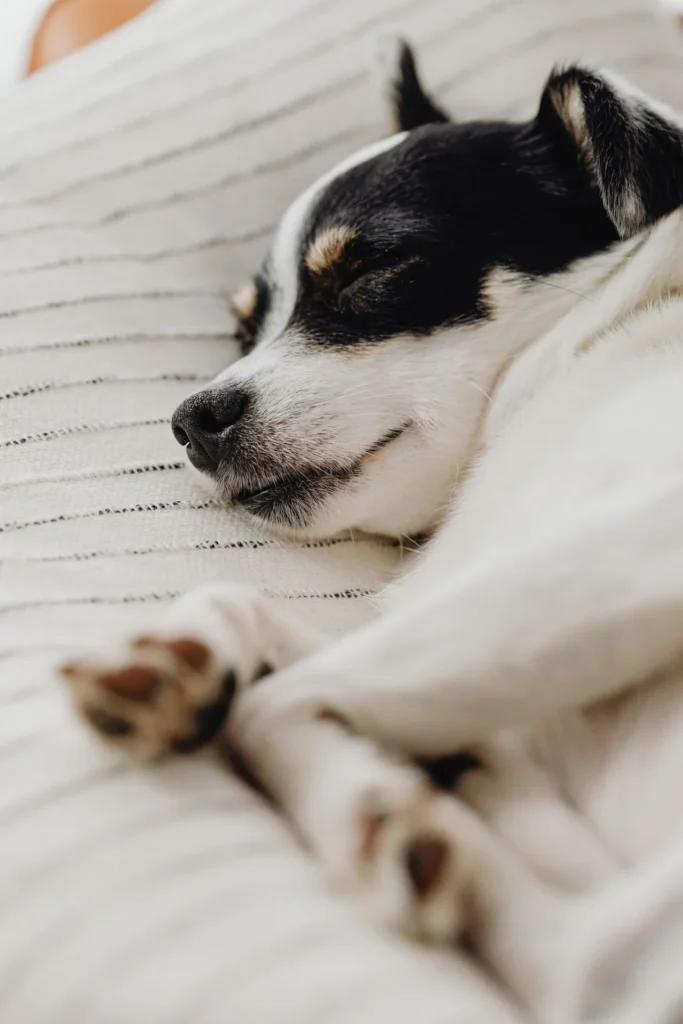
Preparing your space and gathering any items you’ll need for your pet’s recovery before surgery day will make the transition home much smoother.
Many cats and dogs face mobility limitations in the days or weeks following surgery. Your vet can help you understand what to expect, but you may want to consider:
Rest is essential for recovery. For dogs, this may mean using a crate or setting up a room with comfortable bedding. For cats, it may mean blocking off a quiet, floor-level space where they can feel safe while climbing onto furniture or cat trees isn’t possible.
Some pets will be naturally inclined to nap their recovery away, but puppies and kittens may need help keeping their activity levels low while they heal. Provide plenty of attention and affection, but keep play sessions calm — jumping and roughhousing can reopen incisions and cause trauma at the surgical site.
Even if your pet seems to feel better after a day or two, full healing takes longer than most owners expect. Unless a medication specifically says that it’s to be administered “as needed,” plan to finish the full course.
Pain medications, antibiotics, and anti-inflammatory medications should be given exactly as prescribed. Never substitute human medications unless your veterinarian instructs you to do so. Many over-the-counter pain relievers, like ibuprofen and Tylenol, can be toxic to pets.
Keep an eye on your pet’s incision. A small amount of redness or swelling may be normal immediately after surgery, but contact your veterinarian if you notice:
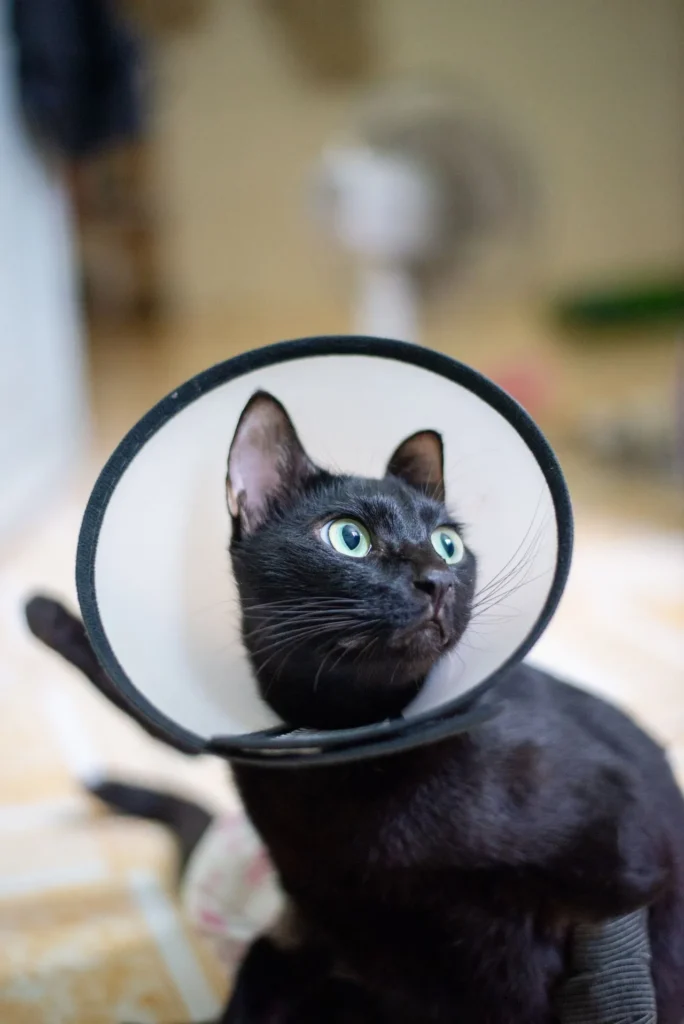
Many cats and dogs will be provided a cone or recovery suit to prevent them from licking or chewing their incision. Leave these measures in place for the recommended amount of time, and do your best to prevent your pet from bothering their stitches.
If you have concerns, don’t hesitate to report them. Your veterinarian would rather answer a question early than treat a preventable complication or infection later.
Even if your pet seems to have bounced back completely, follow-up visits are still a crucial part of their recovery plan.
Your post-operative appointment gives your veterinarian a chance to evaluate how the incision is healing, remove sutures if necessary, assess your pet’s comfort level, and determine whether they’re cleared to return to normal activity.
Sticking to the full surgical plan will give your pet their best chance at a fast, complete recovery.




At Falls Village Veterinary Hospital, a Raleigh, NC veterinarian, dogs, cats & their families deserve the best. In fact, we specialize in delivering warm, compassionate care that reminds our clients and patients how unique and important they truly are. We provide complete veterinary care including dentistry, laser therapy, surgery, and more. Call us today!