Intervertebral disc disease (IVDD) is a condition in which the cushioning discs between a dog’s vertebrae become damaged and create pressure on the spine. Depending on the location and severity, it can cause extreme pain, difficulty walking, and even paralysis.
IVDD can develop over time or come on suddenly. While it’s one of the most common sources of mobility issues in older dogs, acute cases can be medical emergencies. If your normally playful dog is limping or hesitating at the top of the stairs, it could be a subtle sign of disc trauma. Learn to recognize the early symptoms of IVDD and act quickly to spare your dog pain and future mobility issues.
A dog’s spine is made up of individual vertebrae separated by soft discs. These discs have an outer ring of cartilage and are filled with a gel-like substance called nucleus pulposus. In healthy dogs, these discs prevent the bones of the spine from making direct contact and act as shock absorbers as your dog moves.
With IVDD, one or more of the discs that cushion the vertebrae deteriorate, bulge, or rupture. When this happens, disc material can press against the spinal cord or nearby nerves, causing pain and, in severe cases, permanent nerve damage.
Veterinarians generally classify IVDD into two types:
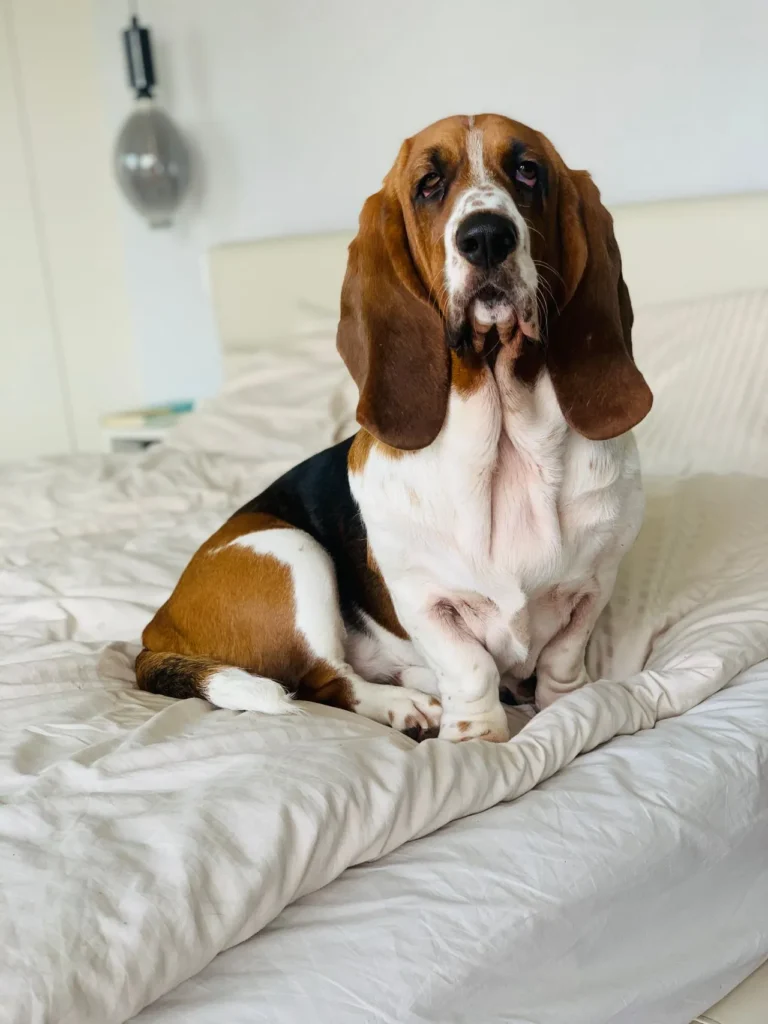 Hansen Type I occurs when a disc suddenly ruptures, forcing its inner gel-like material into the spinal canal. This usually causes acute pain and can rapidly progress to weakness or paralysis. It is most common in chondrodystrophic (short-legged) dog breeds.
Hansen Type II develops more gradually as the disc slowly bulges or hardens over time due to chronic degeneration. Rather than causing a sudden injury, it typically results in progressively worsening pain, stiffness, and weakness. This form is more commonly seen in older, larger-breed dogs.
Although these two types of IVDD develop differently, both can compress the spinal cord and interfere with normal nerve function. Early diagnosis and treatment are important regardless of which presentation is affecting your dog.
While IVDD can affect dogs of any age and breed, some dogs have a much higher risk because of their genetics and body structure.
Dogs with short, squat profiles are prone to acute disc injury. Breeds more susceptible to Hansen Type 1 IVDD include:
Other factors that can also increase your dog’s overall risk of IVDD, such as:
Helping your dog maintain a healthy weight and get consistent, gentle exercise can protect their spine as they get older.
Many dogs instinctively hide discomfort, so the first signs of spinal pain may not be obvious. Adding to the confusion, sprains, pulled muscles, hip dysplasia, and general joint issues can have early symptoms similar to IVDD.
If something seems off, watch out for:
Whether symptoms come on suddenly or develop slowly, spinal damage can worsen over time. A quick intervention can help prevent chronic pain and lifelong mobility limitations.
Mild IVDD can be safely evaluated during a scheduled appointment, but severe cases require a trip to the emergency vet.
Don’t wait to get help if your dog:
Prolonged compression on the spine can cause permanent nerve damage if it’s not relieved quickly. When swollen discs restrict blood flow, nerve tissue begins to die. The earlier treatment begins, the better your dog’s prognosis is likely to be.
Once your vet determines the extent of your dog’s IVDD and whether neurological deficits are present, they will decide how to approach treatment. Some cases of IVDD can be managed with medication and lifestyle changes, while others require surgery.
Dogs with mild pain and minimal neurological impairment may improve at home with rest and anti-inflammatory medications.
Your vet may recommend severely limiting physical activity for a period of time and a gradual return to gentle movement after your dog has had time to heal.
Stick to veterinary-prescribed NSAIDs, and never give your dog over-the-counter pain medications like ibuprofen or Tylenol — they can cause toxicity even at low doses.
Dogs with severe neurological deficits, recurring episodes, or paralysis often require surgery to relieve pressure on the spinal cord.
In general, dogs that undergo surgery soon after losing the ability to walk have a better chance of functioning normally than those whose treatment is delayed. After your dog recovers from surgery, physical rehabilitation can help restore strength, coordination, and mobility.
Genetics play a significant role in IVDD, so it’s not always possible to fully prevent it. That being said, focusing on the factors you can control can help protect your dog’s spinal health.
If you notice changes in your dog’s behavior or activity level (even subtle ones), don’t wait to investigate. Proactive care is one of the best ways to keep a minor spinal problem from becoming a much more serious one.





At Falls Village Veterinary Hospital, a Raleigh, NC veterinarian, dogs, cats & their families deserve the best. In fact, we specialize in delivering warm, compassionate care that reminds our clients and patients how unique and important they truly are. We provide complete veterinary care including dentistry, laser therapy, surgery, and more. Call us today!