The safest way to help an overweight dog or cat lose weight is to combine portion-controlled, high-quality nutrition with increased activity.
Pet obesity is surprisingly common, with around 59% of dogs and 61% of cats measuring above their ideal weight. Like their human counterparts, a sedentary lifestyle and excessive snacking can cause pets to pick up pounds, especially as they age.
If your vet has recommended improving your pet’s body condition score (BCS) or you’ve noticed changes in their body shape or activity level, small, consistent changes lead to sustainable results. Here is what pet parents need to know about helping their dog or cat reach a healthy weight.
 Overweight Dogs and Cats: It’s Not About Looks
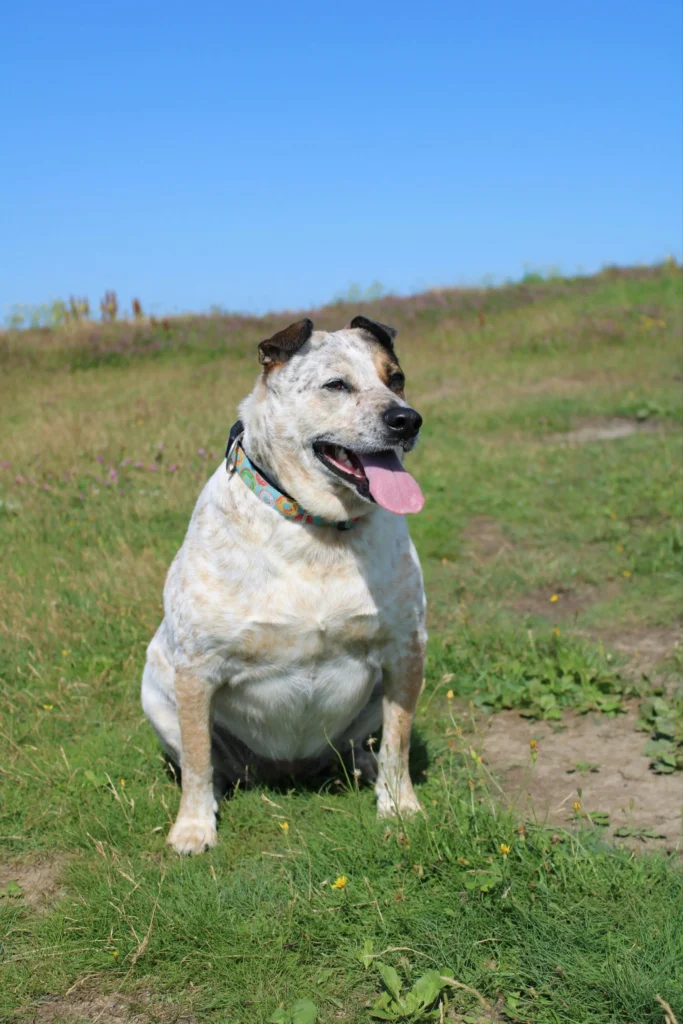
Chubby pets are undeniably cute, but extra weight isn’t just skin deep. Especially for smaller cats and dogs, a few excess pounds can impact the way their entire bodies function.
In addition to added strain on tendons and joints, extra body fat is taxing on pets’ organs. When fat cells (adipocytes) become too large and numerous, their struggle for sufficient oxygen can trigger an immune system response. The resulting chronic inflammation elevates their risk for cancer, cardiovascular disease, and metabolic conditions.
Some of the most common health concerns associated with obesity in pets include:
When excess weight makes it more difficult to exercise and play, a once-energetic pet may start to resist long walks or laser pointer games. Unless you disrupt the cycle of inactivity and weight gain with new routines, their quality of life will slowly decline.
Fortunately, even a modest weight reduction can initiate big improvements in their energy level and mobility.
If you’ve decided to make changes to your pet’s diet or activity level, it’s best to do so under the supervision of your veterinarian.
While weight loss is technically a matter of energy in, energy out, underlying medical conditions can play a significant role. A veterinary exam will screen for thyroid disease and metabolic disorders so that you can create a plan with their total wellness in mind.
At your appointment, your vet will determine your pet’s ideal body weight and calculate a daily calorie target for safe, sustainable weight loss.
There are many weight-loss pet foods on the market, but high-quality diets share a few key characteristics, regardless of brand.
Your dog or cat is likely to notice (and protest) if there is suddenly less food in their dish. Formulas that contain fewer calories per serving allow pets to eat a similar quantity of food while still maintaining a calorie deficit. This is often achieved by using leaner proteins (like chicken and turkey rather than beef or pork) as a main ingredient, or by bulking up food with low-calorie sources of fiber, like vegetables.
Protein plays a critical role in satiety during weight loss, and it also encourages lean muscle growth.
More muscular pets have a higher resting metabolic rate and burn fat more efficiently, making it easier to maintain weight loss over time.
Simply feeding your pet less of their standard food can cause them to miss out on essential vitamins, minerals, and fatty acids. A high-quality weight-loss formula will meet their nutritional needs, even on a reduced-calorie budget.

Even the most carefully selected food won’t be effective if portions aren’t correct and consistent. Rounded vs level scoops can make a significant difference, especially for small cats and dogs. For the most reliable measurements, rely on a kitchen scale.
If your pet is in the habit of free-feeding, work with your vet to determine a feeding schedule that will meet their needs without leaving them feeling deprived.
Treats and table scraps can be major contributors to weight gain, but smart choices can actually make it easier for your pet to reach their goal.
As a general rule, treats should make up no more than 10% of your dog or cat’s daily calorie intake. For an 8lb cat who needs between 160-220 calories, a few licks of unattended cereal milk can quickly put them over the limit.
Look for treats that are formulated for weight loss, or choose reasonable quantities of pet-safe fruits and vegetables.
Exercise complements dietary changes by helping your pet burn calories, build muscle, and stay mentally engaged. That said, it’s important to increase activity gradually, especially for pets who are currently overweight or inactive.
Start with manageable changes and create new goals over time:
If your dog struggles with joint pain, low-impact activities like swimming may be a good alternative to walking or running.
Cats can be harder to motivate to exercise, especially as they get older. Finding activities they enjoy may take creativity and persistence.
With consistency, even a few minutes of active play can make a difference.
Monitoring your pet’s progress with routine weigh-ins can help keep you both on track, but remember that healthy weight loss is gradual.
For most pets, a loss of about 1–2% of body weight per week is considered safe and sustainable. Avoid rushing results, and understand that plateaus are entirely normal as your pet’s metabolism adjusts to a reduced-calorie diet.
Once your dog or cat reaches their goal weight, work with your vet to shift into maintenance mode.
An updated calorie goal will help stabilize their weight, but keep in mind that success depends on continued exercise and a consistent feeding schedule. If your pet slips back into unstructured snacking or begins skipping walks and play sessions, the weight will return quickly.
Fat cells shrink with weight loss, but they don’t disappear. A formerly overweight pet will find it much easier to pack on pounds than one that has always had a normal body condition score. Consistent monitoring can help you address small gains before they begin to affect your pet’s health.




At Falls Village Veterinary Hospital, a Raleigh, NC veterinarian, dogs, cats & their families deserve the best. In fact, we specialize in delivering warm, compassionate care that reminds our clients and patients how unique and important they truly are. We provide complete veterinary care including dentistry, laser therapy, surgery, and more. Call us today!