
"Of all possessions, a friend is the most precious."

- Heradotus

Cats are known to be conscientious self-cleaners, but occasionally, grooming goes too far. If your feline friend is suddenly fixated on licking themselves, it’s likely because of a change in their mental or physical health.

As mysterious as cats can be, it’s important to uncover the reason behind excessive grooming before it leads to bald patches and sores. Explore the common physical and behavioral causes of overgrooming to get your pet the relief they need. 

Why Do Cats Groom Themselves?

Anyone who has ever been licked by a cat knows that their tongues are designed for cleaning. That familiar sandpaper feeling is actually caused by papillae, or tiny, hollow, inward-facing spikes. 

Cats’ rough tongues function as a kind of multitool that helps them break down tough proteins and lap up water with more efficiency. Their most obvious use, however, is the perfect hairbrush. 
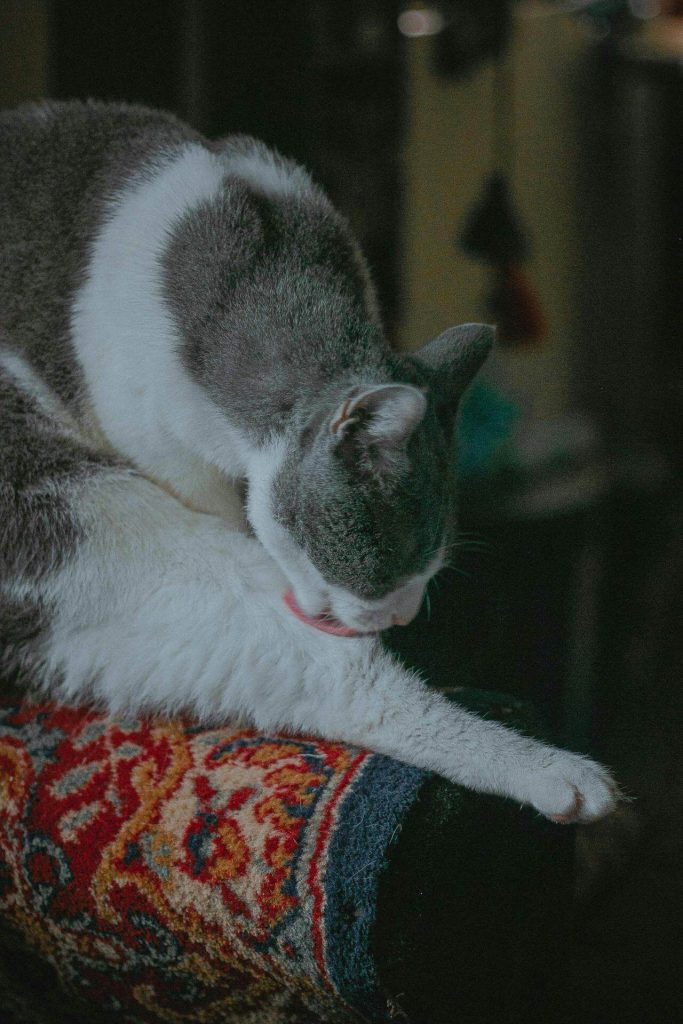
cat overgrooming from stressPhysical Reasons for Grooming

Like their big cat ancestors, domestic felines tend to be solitary creatures once they reach adulthood. Self-grooming is an adaptation that allows cats to clean themselves without relying on the help of other pack members. 

Healthy cats groom themselves to distribute their skin oils throughout their coats and remove pests, burrs, and mats. It’s also possible that their hunting instincts compel them to try to remove their scent to make it easier to surprise prey. 

Psychological Reasons for Grooming

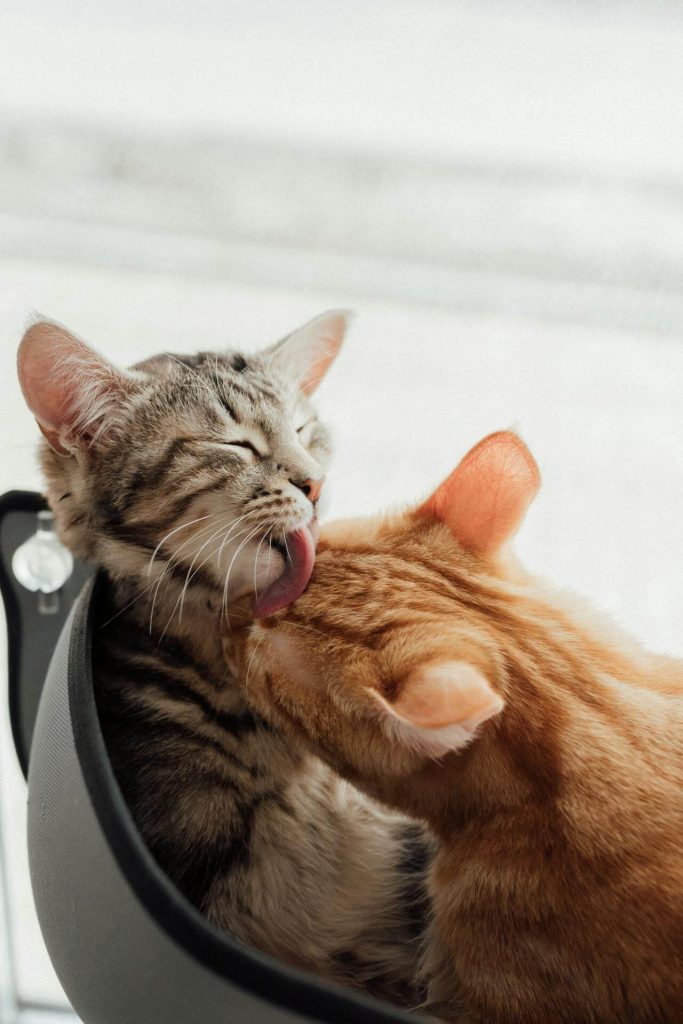
Though adult cats are notoriously independent, for kittens, grooming is a crucial bonding activity. Shared grooming experiences release endorphins, the “happy hormones” that foster closeness between kittens and their mothers and siblings. 

After they’re grown, cats continue to experience this flood of endorphins during self-grooming. Just like we may reach for a favorite childhood treat at the end of a bad day, cats will sometimes use grooming to self-soothe during periods of stress. 

Excessive grooming is often a sign that your cat is coping with a difficult change or concealing pain

When to Worry about Obsessive Licking

If overgrooming doesn’t stop soon after a stressful event (like vacuuming the floors) ends, or if licking is starting to cause hair loss or skin irritation, contact your veterinarian. 

Common Causes of Overgrooming in Cats

To effectively treat overgrooming, you have to correctly identify the underlying cause. Here are a few of the more common explanations for your cat’s oral fixation. 

Pain 

While it’s certainly true that cats lick their wounds, they may also use grooming as a way of coping with internal discomfort. 

Because cats tend to be stoic, painful conditions like joint problems, kidney disease, and UTIs can sometimes only be identified through subtle behavioral changes. It’s important to rule out serious health conditions before attributing overgrooming to seasonal allergies or stress. 

Allergies and Infectionstwo kittens grooming each other

Atopic dermatitis is a generic term for irritated, inflamed skin. If red, itchy skin is to blame for overgrooming, it’s possible that your pet is having an allergic reaction to:

Depending on the cause of your cat’s allergies, flea prevention, dietary changes, or veterinary-prescribed antihistamines may resolve incessant licking. 

Environmental Changes

As excited as you may be about your new furniture, roommate, or job schedule, don’t be surprised if your cat isn’t a fan of the change. 

Our feline friends thrive on routine, so upsets that feel minor to us can cause them a great deal of stress. Make sure that you are adding plenty of play and personal attention into your cat’s day, and give them a safe space they can easily escape to if they feel overwhelmed. 

If emotional overgrooming doesn’t resolve within a few days, make an appointment with your vet to explore other options for managing your cat’s anxiety. 

Relocated Litter Boxes

Regardless of your reason for doing so, many cats consider disturbing their litter box to be an offense of the highest order. 

If you’ve had to make changes to your cat’s litter box due to a move or a change in your household, you may need to be prepared to negotiate. Offering multiple boxes in different locations throughout your house can help you understand your cat’s preferences and relieve some of the stress brought on by the change.

What to Do About Excessive Grooming

A sudden uptick in grooming is a likely signal that your cat is struggling. Playing the role of the investigator as soon as you notice overgrooming can help spare your cat from hair loss and painful secondary skin infections. 

Visit your vet to rule out serious health concerns and get curious about any recent changes that could be causing your cat physiological stress. Like any family member, cats thrive when both their physical and emotional needs are met. 
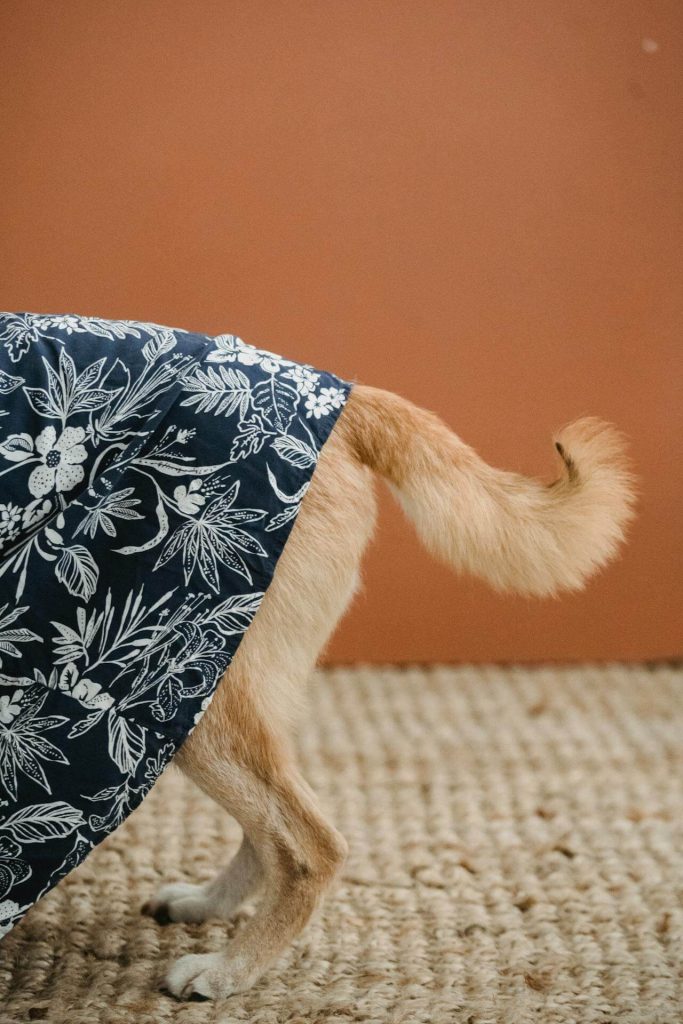
 

If you know, you know (and if you don’t, you’re probably horrified). For some dog parents, the dreaded butt scoot is an unmissable sign that their dog’s anal glands have become uncomfortably swollen and need expressing. For others, it simply never comes up. 

While most dogs will live their entire lives never needing any maintenance on their anal glands, others will routinely require your help. If your pet is dragging their rear, acting quickly can prevent painful inflammation and infections (and save your carpet). 

What Do Dogs’ Anal Sacs Do?

Just beneath the skin on either side of your dog’s anus are two grape-sized glands that emit a foul-smelling fluid. Scientists still aren’t completely sure of its purpose, but there are two prevailing theories: 

tail of dog who needs glands expressed

Some veterinary experts believe that the fluid excreted from the anal sacs exists to lubricate hard-to-pass-stools with less trauma to the rectum. Others believe that the fluid contains pheromones that function as a calling card for other dogs, providing information about the age and sex of the dog that had a bowel movement. This theory may explain why pets tend to sniff each others’ butts when they are first introduced. 

Regardless of which theory is more accurate, the result is an inconvenient reality for many pet parents. If the anal sacs don’t release fully on their own when your dog passes stool, they become swollen and irritated. 

If you notice your dog dragging their bum across the carpet, they are likely trying to use their body weight to squeeze the excess fluid from the anal sacs. Aside from being unsanitary, this behavior can traumatize the skin and lead to infection. 

Which Dogs Need Their Glands Expressed?

Most veterinarians and groomers associate anal gland expressions with smaller pets, but dogs of any breed may require maintenance on their glands. A better predictor of anal gland issues are health factors like: 

Symptoms Small dogs sometimes need their glands expressed

Anal gland expression isn’t necessarily a regular part of pet healthcare — most dogs will release trapped glandular fluid on their own when they have a bowel movement. If your dog isn’t showing any signs of distress, there is no reason to interfere. 

That said, keep an eye out for the classic signs of anal gland problems:

  • Scooting or dragging
  • Obsessive licking or biting of the affected area
  • Redness and swelling
  • Straining during bowel movements
  • Bloody stool
  • A strong, foul or fishy smell  

Abscesses and Infections

Glands that go unexpressed can become impacted and infected. Over time, they can burst through the skin in the form of painful open sores, or abscesses. These dogs may require antibiotics or surgery to drain the infection. 

Fortunately, proactive care can prevent anal gland issues from becoming serious medical events. 

Can I Express My Dog’s Glands at Home?

Because it is an unpleasant task, many pet parents choose to have their veterinarian or groomer express their dogs’ anal glands when the need arises. If your pet requires more frequent attention, however, it may become impractical to outsource the job. 

If you’d like to learn how to express your dog’s anal glands at home, schedule an appointment with your vet and ask them to demonstrate the best way to perform the procedure without damaging any delicate tissue. 

Preventing Anal Glands Disease

Though some dogs will have a genetic predisposition towards anal sac issues, diet is the most practical way to reduce the frequency with which the glands become swollen. 

Dogs who aren’t consuming enough dietary fiber to produce voluminous stools won’t be able to express their glands during bowel movements. Similarly, dogs who are chronically dehydrated will have unnecessarily thick glandular fluid that doesn’t excrete easily. If you notice your dog’s secretions are more toothpaste-like than liquid, chances are they don’t have enough moisture in their diet. 

There are plenty of tasty, natural treats that contribute to healthy stools already in your fridge or pantry. Add a spoonful of canned pumpkin (not pumpkin pie filling) to your pet’s kibble, or reward good behavior with fibrous, hydrating snacks like blueberries, carrots, green beans, and seedless watermelon. 

Want to invite your dog into the pool but worried about how the chlorine or salt will affect their skin and coat? 

Good news! Clean, properly maintained swimming pools are generally safe for pets. Provided that your dog doesn’t have a skin infection, open wounds, or sensitive skin, feel free to include the whole family in your next dip. 

Like us, dogs require some prep and aftercare when they come into contact with chlorine (or any body of water). Here are a few tips to keep your swim session fun and safe for your canine companion. 

1. Groom Your Dog Before Swimming

We’ve all ignored a “Please Shower Before Entering” sign at our public pool, but for dogs, a pre-swim bath is essential. 

Washing and brushing your dog thoroughly before they jump in keeps the experience hygienic for everyone. It will also prevent dirt and hair from disrupting your pool’s chemistry and clogging your filter. 

Dog swimming in saltwater pool gets pets from owner2. Keep Pool Chemicals Balanced

Whether you have a saltwater or chlorine pool, it’s important to make sure the chemicals are within acceptable ranges before inviting any member of your family in for a dip.

Saltwater pools have become increasingly popular thanks to their lower levels of chlorine and softer water, but they still have the potential to irritate skin if they become unbalanced. The more time you or your dog spend in the pool, the more the hypochlorous acid strips the skin of its natural oils. Limit swims to a sensible amount of time, and avoid going in immediately after adding chemicals. 

3. Don’t Let Your Dog Drink Pool Water

Swallowing a little chlorinated water is all part of the experience — and safe in small amounts. However, if you notice your dog has started lapping up the pool water, remove them immediately and offer them something else to drink. 

It’s a good idea to discourage dogs from drinking any water that they’re swimming in. Too much chlorine can lead to an upset stomach, but lake water can contain harmful bacteria and parasites. Saltwater is especially dangerous. Dogs who swallow too much are at risk of sodium toxicity — a life-threatening neurological emergency. 

Whether you’re in your backyard or headed out for a day on the lake, make sure that you have enough clean water to satisfy your dog’s thirst so he doesn’t look elsewhere.

4. Don’t Bring Dog Toys Into the Pool

Dogs have relatively poor depth perception, made worse by distortion underwater. When your dog dives for a toy or tries to grab one out of the pool, they can easily misjudge the distance and get injured. 

Scrapes, head trauma, and chipped teeth from accidentally clamping down on the filter or pool ladder instead of a toy are surprisingly common summertime injuries. Play it safe and keep your pet’s favorite rope outside of the pool. 

5. Watch Dogs Closely in WaterDog swimming in chlorine pool

Some dogs are natural swimmers, but that doesn’t mean it’s safe to leave them unsupervised. Solo swimming is inadvisable for human adults, so it only makes sense that we should keep an eye on our pets in water.

Keep swim sessions to a reasonable length, take breaks, and watch your dog for signs of exhaustion. Even healthy, water-loving dogs can tire out suddenly. Especially if you’re in a situation where you can’t quickly and easily remove your dog from the water, consider outfitting your pet with a lifejacket.

6. Don’t Force It

Water isn’t for everyone. Your dog’s breed is a pretty good predictor of whether or not they will be an enthusiastic swimming companion, but personality is also a factor. 

In general, dogs with long, dense bodies and shorter legs may feel uneasy in water and require close monitoring if they do decide to take a dip. Keep a watchful eye on breeds like:

  • Dachshunds 
  • Pugs
  • Maltese
  • Chihuahuas 
  • Bassets 
  • Bulldogs
  • Chows

If your dog isn’t feeling it, don’t insist. Trying to force an enjoyable water-based experience can backfire and make bathtime harder. 

7. Beware of Ear Infections

If water gets trapped in the inner ear for a long period of time, dogs and humans alike can develop swimmer’s ear. Bacteria in improperly maintained pools or natural bodies of water can enter the ear canal and multiply, causing painful inflammation. 

While swimming in clean water can reduce the odds of an ear infection, some dogs are simply prone to them. If your canine friend has long, floppy ears like a basset hound or cocker spaniel, it may be difficult to completely dry out their ears after a swim. Chronically irritated ears can lead to complications like hematomas, so at-risk dogs may be better off lounging by the pool than jumping in.

8. Rinse and Dry Your Dog After a Swim

Letting chlorinated water dry on your skin and hair is just as uncomfortable for your dog as it is for you. Whether you’ve spent the day at the pool or in the ocean, remove any left behind chemicals or minerals when you’re done for the day. 

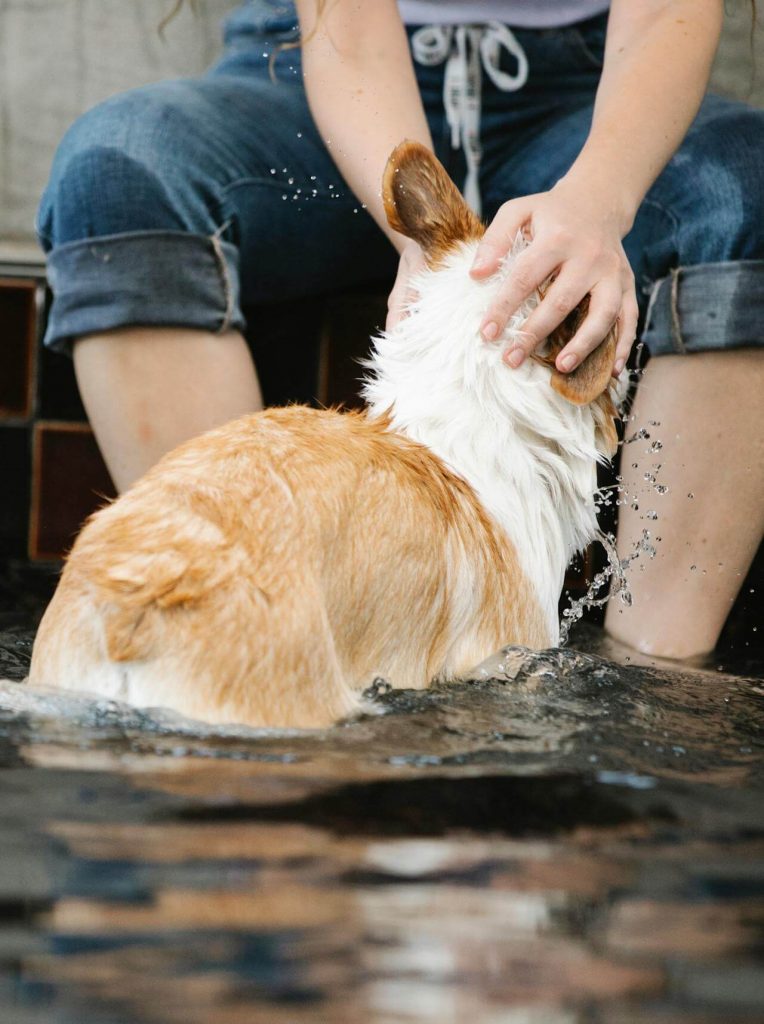
Rinse your dog with fresh water to keep their skin and coat healthy. Remember to dry them thoroughly, especially between skin folds and toes. A little extra attention will keep their paws healthy and yeast and fungus at bay. 


For dog parents, summertime means long walks and afternoons at the park. It also means high temperatures, hot sidewalks, and a unique set of safety considerations. 

When the weather is hot, dogs’ internal temperature can rise faster than their bodies can dissipate heat. This condition, called heat stroke or hyperthermia, is a medical emergency. 

Sadly, heat stroke is more common than many pet parents realize, and it’s not limited to pets left in hot cars — when temperatures climb, your dog can overheat just by being outdoors. The prognosis for heat stroke is poor, and dogs who survive can experience long-term health issues. 

Learn the warning signs of heat stroke and get prevention tips so you and your canine companion can enjoy sunny days safely. 

What is Heat Stroke?

Essentially, heat stroke is a high fever that occurs when the outside temperature causes your dog’s body temperature to rise.   

dog pants to dissipate heat and avoid heat stroke

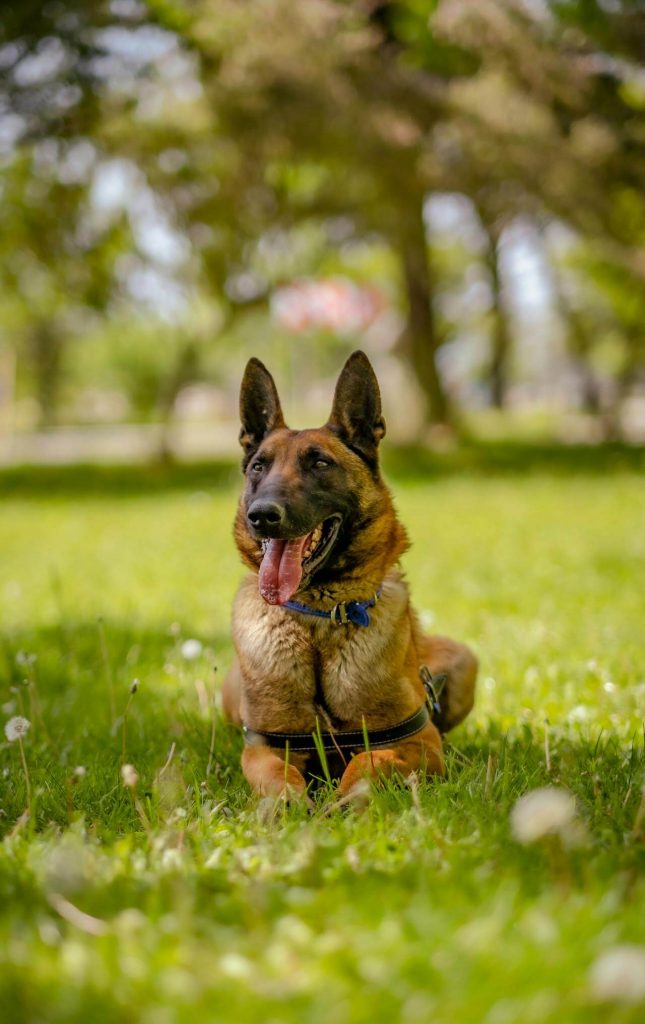
Unlike us, dogs aren’t able to dissipate body heat by sweating. Their primary mechanisms for regulating internal temperature are panting and vasodilation. 

Panting works by passing air over the moist surfaces of their nose and tongue so that it cools as they inhale. 

Vasodilation causes blood vessels in the ears and face to expand so that warmer blood can cycle closer to the skin’s surface to cool down. 

When a dog’s body temperature exceeds their normal 101.5℉, these regulatory functions kick in to return it to a safe baseline. On very hot days, however, dogs who don’t have sufficient access to water and shade may be unable to keep their temperature down.

Three and a half degrees Fahrenheit may sound negligible, but for dogs, it’s the danger zone. Body temps of 105℉ can damage organ systems and cause serious neurological complications.

Symptoms of Hyperthermia in Dogs

The early warning signs of heat stroke tend to look a lot like general distress. Overheated dogs will pant and drool excessively and may seem hyperactive or unusually clumsy. 

As heat rises and dehydration worsens, dogs can experience:

  • Dry nose, tongue, and gums
  • Rapid heart rate 
  • Muscle spasms
  • Low blood pressure
  • Dilated pupils 
  • Loss of motor control
  • Coma

Dogs who don’t get a fast, thorough medical intervention can experience serious long-term complications from a heat stroke episode, including brain damage, arrhythmia, and kidney and liver failure. 

Risk Factors for Heat Stroke

Though heat stroke can affect any dog who doesn’t have sufficient relief from hot weather, some are particularly at risk. Exercise extra caution with:

  • Puppies and senior dogs
  • Brachycephalic breeds like pugs, bulldogs, and Boston Terriers
  • Overweight or out-of-shape dogs
  • Dogs with pre-existing medical conditions like heart disease or hypothyroidism

Never Leave a Dog in a Hot Car

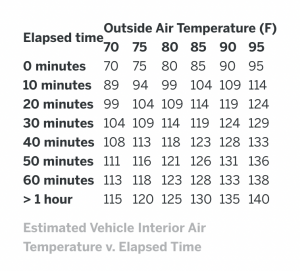
Sadly, one of the biggest contributors to summertime heat stroke is entirely preventable. Many people leave their pets in the car to run errands assuming that the internal temperature of the car will stay similar to the outside temperature. Nothing could be further from the truth. 

A chart warns about temperature inside vehicles to prevent heat stroke in dogsWith no air circulating, a locked car heats up rapidly. Within 10 minutes, the air inside the cab is nearly 20℉ hotter than the ambient temperature. Check out the American Veterinary Medical Association’s Vehicle Interior Air Temperature Estimator, and always bring pets inside with you or leave them at home on warm days. 
What to Do If Your Dog Overheats

If you suspect that hyperthermia is setting in, move your dog to a cool area immediately and offer room temperature water. Never spray or splash your dog with cold water, as lowering their temperature too quickly can cause shock. 

Get your pet to the vet as quickly as possible, even if they seem to normalize once they cool down. Follow-up treatment may be necessary to prevent any long-term health problems resulting from the episode. 

Keep Pets Safe This Summer

When it comes to heat stroke, prevention is the best policy. Avoid long walks and play sessions during the hottest part of the day, and limit exposure, particularly for at-risk dogs. 

Help keep your pet’s natural mechanisms for temperature regulation working by ensuring they’re properly hydrated. Unlike cats, dogs don’t usually have to be coaxed into drinking, but be certain that they have good access to plenty of clean water throughout the day so their bodies are prepared to deal with the heat. 

Although dogs’ normal body temperature is a few degrees hotter than ours, remember that they aren’t as well-equipped to dissipate heat. If you’re feeling hot, your dog is even hotter — give them a cool place to lounge when temps are high. 

You may consider yourself more of a “cat person” or a “dog person” but it turns out that many of us are both. 17% of American households have both dogs and cats, proving that interspecies friendship (or at least tolerance) is completely possible. 

When it’s dinner time in multi-pet households, one of the biggest challenges can be keeping everyone in their own food dish. Dogs who live with cats are likely to be curious about what their feline siblings are eating and may find it hard to resist sneaking a bite. 

If it feels like it requires constant vigilance to keep your dog from woofing down the cat’s dinner, you may wonder if there’s any harm in it — or why you have to buy two kinds of food in the first place. Here’s what pet parents need to know about their cat-food-loving dog.

Nutritional Differences in Dogs and Cats

Anatomically, cats and dogs are pretty different. 

Cats are obligate carnivores who rely on meat for essential nutrients. Their acidic stomachs and short intestines are built to break down proteins efficiently, so they don’t rely on fiber for digestion or carbohydrates for energy (in fact, a high-carb diet is a risk factor for feline diabetes). High-quality cat foods are protein-first to ensure that they provide all of the vitamins and amino acids that cats can’t make on their own. 

Dogs, on the other hand, need to supplement their meat-based diet with carbs and fiber for healthy digestion. Dog food is made to be consumed at a much higher volume than cat food, so it is lower in fat, calories, and protein by weight.

Dog sneaking into cat foodWhy Dogs May Crave Cat Food

Because cat food is protein-first and higher in fat, it’s not unusual for dogs to decide that they prefer the cat’s dinner to their own. In fact, sometimes cat food obsession runs so deep, it may explain why your dog raids the litter box

This behavior is a nuisance, it’s understandable. Our dogs’ wolf ancestors were opportunistic hunters who appreciated an energy-dense meal whenever possible. Your canine family members may find cat food may be exceptionally delicious, but it’s not a good idea to let them indulge. 

The Risks of Feeding Dogs Cat Food

Cats and dogs have very different nutritional needs. Though the occasional bite of cat food isn’t likely to have serious repercussions, repeat offenders can experience health problems.

Upset Stomach

Generalized gastrointestinal distress is the most common short-term consequence for dogs who steal the cat’s dinner. If vomiting, diarrhea, and gas don’t resolve quickly, visit your veterinarian. It’s possible that a more serious issue is to blame. 

Pancreatitis

The fat that makes cat food so appealing to dogs also makes it dangerous because it can easily cause pancreatitis. Digestive enzymes produced in your dog’s pancreas are responsible for breaking down dietary fat. Too much rich food can cause the pancreas to become inflamed.

Pancreatitis is extremely painful and can lead to death if not treated quickly. Get to the vet right away if your dog is experiencing:

  • Abdominal swelling
  • Dehydration
  • Fever
  • Weakness
  • Prolonged vomiting

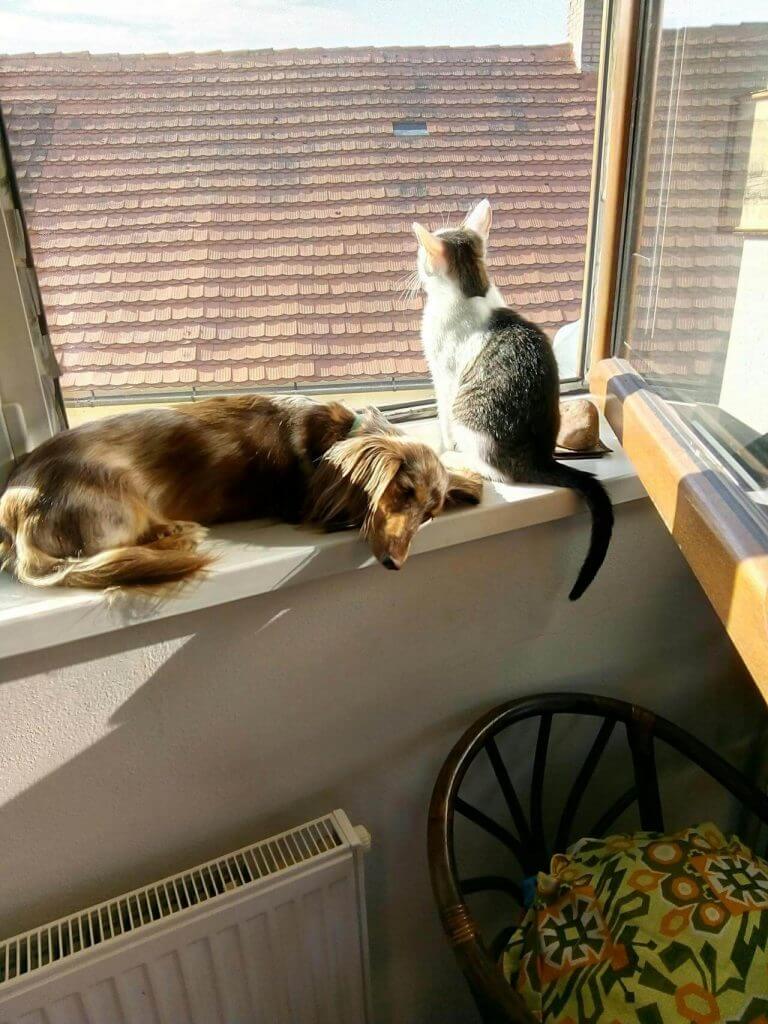
Vitamin D ToxicityCat and dog sit in a window together

Because cats’ bodies don’t produce the same range of vitamins and amino acids as their canine counterparts, cat food contains a much higher concentration of these nutrients. Dogs who gorge themselves on cat food may accidentally consume a toxic dose of fat-soluble vitamins. 

Acute vitamin D toxicity can be life-threatening for dogs, but harmful levels can also build up over time. Dogs who consistently sneak cat food may be consuming vitamin D faster than their bodies can metabolize it, putting them at risk for kidney failure.  

Canine Obesity

Even if cat food doesn’t cause your dog a medical emergency, regular consumption will cause them to gain weight. Dogs with a poor body condition score (BCS) are at risk for joint problems, diabetes, and an overall lower quality of life. 

Keeping Your Dog Out of the Cat’s Food

If you want to help your dog kick the cat food habit, it’s not reasonable to expect them to rely on willpower. 

Your presence during meal times may be enough to discourage sneaky bites, but even well-behaved dogs probably can’t resist temptation if you’re out of sight. Especially for pet parents who let their cats graze throughout the day, it’s best to create a physical barrier for your dog. Move your cat’s bowl to a higher elevation, or use a pet gate to create a separate feeding area.

Finally, avoid using cat food as a reward. Instead, head to the kitchen for some equally convenient, healthy dog treat options. 


Virtually all cats will throw up at some point in their lives, to the extent that many pet parents become skilled at recognizing the distinctive arched back and pinned ears that immediately precede vomiting (though usually not in time to do anything about it). 

Following an incident, it can be hard for cat owners to determine whether they should seek medical attention or just clean up the mess and carry on. Get to know the most common scary and not-so-scary explanations for vomiting so you can get your cat the help they need. 

Serious Reasons Your Cat May Be Throwing Up

Vomiting may be fairly common, but don’t immediately write it off — it can be a symptom of a more threatening health problem. Pay attention to any unusual symptoms and behavior changes that coincide with vomiting so you can give your vet better context. 

orange cat just vomitedIntestinal Parasites

Especially if your cat is young or recently rescued, parasites may be making them throw up. 

While some varieties of intestinal worms will actually be visible in pets’ vomit or feces, others won’t. Look for other signs that your cat is playing host to a parasite, like:

  • Dull coat
  • Lethargy
  • Pale gums (anemia)
  • Potbelly 
  • Diarrhea 

Fortunately, once your vet identifies the parasite, dewormer will get your cat on the road to recovery. 

Swallowed Foreign Objects

Sometimes, vomiting occurs when cats eat things that are not food. These situations can become life-threatening emergencies if the swallowed object damages your cat’s digestive tract or forms an obstruction. 

If your cat can’t successfully eject what they swallowed, they are at serious risk of a perforated or ruptured bowel as pressure builds up behind the object. If your cat seems distressed and their vomit is bloody or unproductive, get to your local emergency vet right away. A quick intervention is your best chance for saving your cat’s life. 

Metabolic Diseases

Vomiting is a common early symptom of endocrine disorders like hyperthyroidism, Chronic Kidney Disease (CKD), and feline diabetes. Particularly if your cat is over 7 years old, don’t ignore vomiting that is accompanied by:

  • Increased thirst 
  • Concentrated urine
  • Frequent urination
  • Anemia
  • Muscle weakness

Poisoning

The primary biological purpose of vomiting is to help us rid our bodies of anything harmful. Take a look around your home and notice whether your cat may have ingested cleaning chemicals or nibbled on toxic foods or houseplants.

If you suspect poisoning and your cat is displaying neurological symptoms (like poor balance or coordination), get to the vet right away. 

Inflammatory Bowel Disease

Inflammatory bowel disease isn’t just for humans — some cats struggle with chronically irritated intestines. Lower GI irritation typically leads to diarrhea, but inflammation in the upper GI tract can make your cat throw up food before it can be digested.

 If vomiting has turned into a more frequent problem, your cat may need your help to get proper nutrition and maintain a healthy weight. Your vet can recommend a combination of dietary changes and medication to help your cat thrive. 

Less Serious Reasons Your Cat May Be Throwing Up

two indoor cats occasionally vomit

If vomiting is infrequent and your cat resumes normal activities, like eating and drinking, there is a good chance that the explanation is more mundane.

Occasional, unproblematic vomiting can often be addressed by changing up your cat’s routine. 

Eating Too Fast

One of the most common non-medical reasons for vomiting is frantic eating. Cats who inhale their food are likely to lose it, so help your feline friend slow down. 

If the issue is due to competition with other household pets, feeding your cat separately may allow them to relax and take their time. If scarfing down food is just part of their personality, however, puzzle bowls and lick mats are great ways to throttle fast eaters.

Anxiety

Trips outside of your home, schedule changes, and the addition of new pets can all trigger anxious vomiting. 

Anything that upsets your cat’s routine may also upset their stomach. Do your best to provide normalcy when change is inevitable, and nervous vomiting should resolve as your cat adjusts. 

Hairballs

If vomiting produces a distinctive tube-shaped clump of matted hair, the mystery is solved. 

The occasional hairball is nothing to worry about, but if they’ve become excessive, simple dietary and behavioral changes can reduce the frequency of hairballs

When to Take a Vomiting Cat to the Vet

Take vomiting seriously when:

  • It doesn’t resolve quickly
  • It becomes more frequent over time
  • It’s accompanied by other physical or behavioral symptoms
  • Your cat appears to be in distress

If you have any doubts as to why your cat is throwing up, err on the side of caution and visit your veterinarian. Addressing the root cause of vomiting is the first step toward helping your feline friend feel better. 

If you’ve ever experienced a urinary tract infection (UTI), you’re all too familiar with the discomfort, burning, and urgency they can cause. While UTI-prone humans are usually able to recognize this unpleasant ordeal by its symptoms and seek treatment, our cats need our help. 

If you’ve noticed unusual litter box activity or other signs of distress, it’s possible that your feline friend may be experiencing a urinary tract infection. Here’s how to recognize a UTI so you can get your cat on the road to recovery. 

Blue eyed cat experiencing a urinary tract infectionUTI Symptoms in Cats

Cats tend to be stoic when they are in pain. Often the most tell-tale signs of a feline urinary tract infection are sudden changes in toileting habits. Keep an eye out for:

  • Frequent trips to the litter box that don’t produce much urine
  • Straining, yowling, or crying while urinating
  • Dark or bloody urine
  • Foul-smelling urine
  • Urine outside of the litter box
  • Obsessive licking or grooming near the urethra 

While uncomplicated UTIs can resolve quickly with a course of antibiotics, untreated infections can lead to kidney failure, bladder ruptures, and even death. 

What Causes a Feline UTI?

Urinary tract infections occur when bacteria enter your cat’s urethra and begin to reproduce in the bladder. When your cat’s body mounts an immune system response to fight the infection, the tissues of the urinary tract become swollen and inflamed. 

The most common culprit is E. coli, a bacterium present in cats’ feces. For this reason, cats living in unsanitary conditions and cats who can’t properly groom themselves due to age, injury, or obesity are more likely to experience a UTI. 

Another key risk factor is chronic dehydration. When cats don’t drink enough water, they can produce very concentrated urine that is an ideal breeding environment for bacteria. Adding wet food to their diet or upgrading their water dish can encourage your feline friend to stay hydrated.

Other Urinary Tract Problems in Cats

Urinary tract infections are just one kind of urinary illness cats may experience. Feline Lower Urinary Tract Disease (FLUTD) is a catch-all term that encompasses UTIs and other causes of urinary discomfort. 

While pet parents may be quick to attribute frequent urination and signs of pain to a UTI, these symptoms can be similar to those of other common urological issues. 

Urinary StonesTabby cat with feline UTI

Cats’ urine naturally contains salts and minerals. Occasionally, these minerals can crystalize into hard formations called urinary stones. Urinary stones can have sharp edges that irritate the walls of the bladder, causing bloody urine, pain, and difficulty urinating. 

Small stones can sometimes pass on their own, but more often, they have to be cleared with a catheter or surgically removed.

Urethral Obstruction

Unfortunately, it’s easy to mistake a urethral obstruction — a life-threatening emergency — for a UTI.

If the urethral opening becomes blocked by urinary stones, mineral buildup, or an overgrowth of tissue, a ruptured bladder is inevitable. If your cat stops passing urine, get to the vet right away. A fast surgical intervention is your pet’s best chance of survival. 

Feline Idiopathic Cystitis

Sometimes, cats can experience urinary tract inflammation without the presence of an infection, blockage, or bladder stones. 

Scientists don’t know exactly what causes idiopathic cystitis, but most suspect that it is related to stress. If your vet has ruled out all other explanations for FLUTD, changes in diet, routine, or your litter box arrangement can help ease your cat’s urinary issues.  

Feline Diabetes or Thyroid Illness

While feline diabetes and hyperthyroidism are not urinary tract diseases, they do feature frequent urination as a common early symptom. 

If incontinence or excessive trips to the litter box are accompanied by changes in thirst, appetite, or weight, it’s a good idea to have your cat screened for these conditions. Early detection and careful management can keep your cat’s quality of life at its best. 

Can I Treat My Cat’s UTI at Home?

Before you reach for the cranberry pills or apple cider vinegar supplements, visit your vet. Because the symptoms of several common urinary tract diseases can look very similar, it’s important to be certain of what you’re treating. 

A urinalysis can confirm the presence of a UTI, and, depending on its severity, your vet may prescribe antibiotics. Because unresolved UTIs can cause kidney failure and other serious complications, it’s best to act fast and get your cat some relief. 

It’s a battle familiar to many people who share their home with both cats and dogs. Despite being generally well-mannered (and certainly well-fed), many dogs can’t resist the urge to snack on cat poop. 

Aside from being disgusting, this puzzling canine behavior can have health consequences. If you want to discourage your dog from nosing through the litter box, you’ll have to find a solution that takes all of your pets’ individual needs and preferences into account. 

Why Can’t I Keep My Dog Out of the Litter Box?

Though we’re thoroughly revolted by the possibility of getting kisses from a pet who just ate cat poop, it’s actually well within the realm of normal dog behavior. 

dog who has been trained not to eat cat poop sniffs kittenWe tend to think of dogs’ wolf ancestors as hunters, but they are also adept scavengers. Cat food typically has more fat than dog food, and cats’ short intestines mean that their poop is more nutrient-dense than other animals’. Unfortunately, this makes it an attractive snack for opportunistic pets. 
Can Eating Cat Poop Make Dogs Sick?

While eating cat poop isn’t inherently harmful, feces can be a vector for bacteria and intestinal parasites. Additionally, if your cat is on medications that could harm your dog, it’s possible that eating their stool will cause health problems. 

Another worrisome possibility is that, if your dog ingests a large amount of litter (particularly clumping or silicone formulas), an intestinal blockage is possible. Seek a veterinarian’s attention if you notice:

  • Bloating
  • Vomiting
  • Diarrhea
  • Lethargy
  • Changes in thirst or appetite. 

Though rare, there is a chance that your dog could transmit illnesses like salmonella and toxoplasmosis to human family members, so putting an end to litter box burglary is important, especially if anyone in your home is pregnant or immunocompromised. 

How to Keep Your Dog Out of the Litter Box

Ready to come up with a plan to keep your canine companion out of the cat box? Explore your options and choose the best solution for you and your pets. 

Create a Barrier

One way to deter a litter box-obsessed dog is to block their access. Depending on the layout of your home, consider adding a pet gate. Older or arthritic cats may have difficulty going over a barrier, so you may have more success installing it a few inches off the floor so they have the option to go under it instead.  

Partitioning off the litter box can give your cat some sanctuary and remove your dog’s opportunity to sneak poop altogether. 

Relocate the Litter Boxmultipet household keeps dog out of litter box

If gating isn’t a workable option, some families find that moving the litter box to a higher surface works best. 

Regardless, your cat will have final say in whether the solution is acceptable. Cats can have strong bathroom preferences, so if the change makes the litter box less accessible (or even just less appealing) they are likely to reject it altogether and use the bathroom in other areas of your home. 

Add a Lid

Switching to a box with a lid may help deter litter box raids. This simple solution can work like a charm in some households, and not at all in others. 

Just like cats can be particular about the location of their bathroom, sometimes changes to the box itself can upset their routine. Moreover, very persistent dogs may discover a workaround for the lid in short order. 

Keep it Clean

Unless you invest in an automated litter box, it isn’t always possible to immediately remove anything your cat leaves behind. That said, scooping the box thoroughly and often is a great way to help your dog make better choices. A good enzymatic cleaner can discourage your dog from following his nose to the litter box. 

Use Positive Reinforcement

In addition to simple deterrence, it’s also important to take time to train your dog to ignore the cat box. 

Pair a simple command, like “leave it!” with a favorite treat, and be consistent. With time and patience, your dog will learn to respond even when faced with temptation.