Preparation is the key to successfully giving your cat a pill or other medication. Assemble the necessary supplies beforehand, approach your cat calmly, and make the experience pleasant with praise and treats.
Even very affectionate and easygoing cats may resist being medicated. Unlike dogs, who usually accept a treat-flavored pill pocket without a second thought, our feline companions often have unique individual preferences and can be sensitive to routines.
If you’ve left your vet’s office with a prescription, the right delivery strategy can save both you and your cat a lot of time and trauma. Here is what pet parents need to know about administering pills, liquids, and topical medications without engaging in a wrestling match.
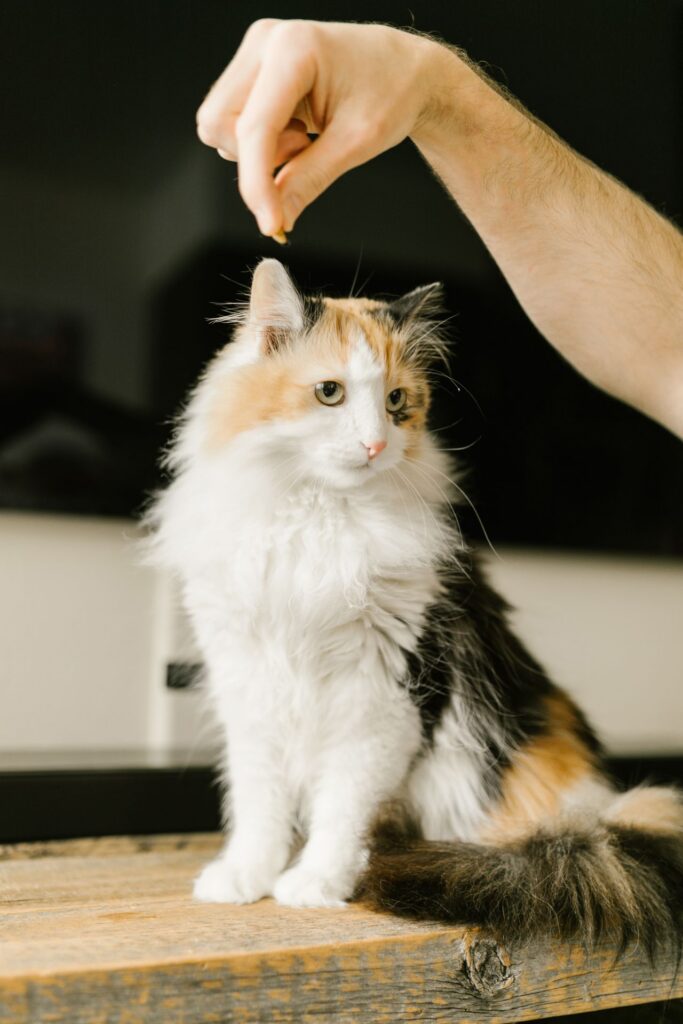 Get Prepared Without Your Cat
For best results, make involving your cat the last step of your medication routine.
Once you’ve put your cat on alert that something out of the ordinary is going on, you probably won’t have much time before the situation becomes tense. A few minutes of preparation can make all the difference in their experience.
Before you bring your cat into the room:
Keep your cat’s personality in mind as you prepare. A docile cat will probably be less anxious about taking their medicine than a cat that doesn’t enjoy being handled in the first place.
In either case, try to maintain a calm demeanor and aim to keep the process as brief as possible. Chasing your cat around the house or making repeated attempts to administer medication can increase stress and make future doses more difficult.
You may be able to give your cat medication with food. Some cats will take a pill or capsule willingly if it is mixed into a spoonful of their favorite wet food or tucked into a soft treat.
While this method is the simplest, start by checking in with your vet. Some medicines need to be given on an empty stomach, and others should not be crushed or split.
If your veterinarian gives you the green light to hide pills in food, use a small portion you can watch your cat finish rather than mixing meds into a full meal. If you’re unsure whether your cat consumed the full dose, don’t automatically give more. Contact your veterinarian for instructions on how to proceed.
Keep in mind that some cats will reject a spiked snack or eat around the pill. In those cases, you’ll need an alternative approach.
When medication can’t be given with food or hiding the pill doesn’t work, ask your veterinarian to demonstrate how to place it directly into your cat’s mouth.
Recommended techniques generally require you to:
Avoid forcing your cat’s mouth open or pushing your fingers farther into their mouth than necessary. For anxious pets, a pill dispenser may help you place the pill faster while keeping your hands clear.
Once the pill is in your cat’s mouth, allow them to return to a comfortable position and watch for swallowing.
If your cat struggles intensely, tries to bite, or becomes increasingly frightened, stop and discuss alternatives with your veterinary team rather than repeatedly forcing the procedure.
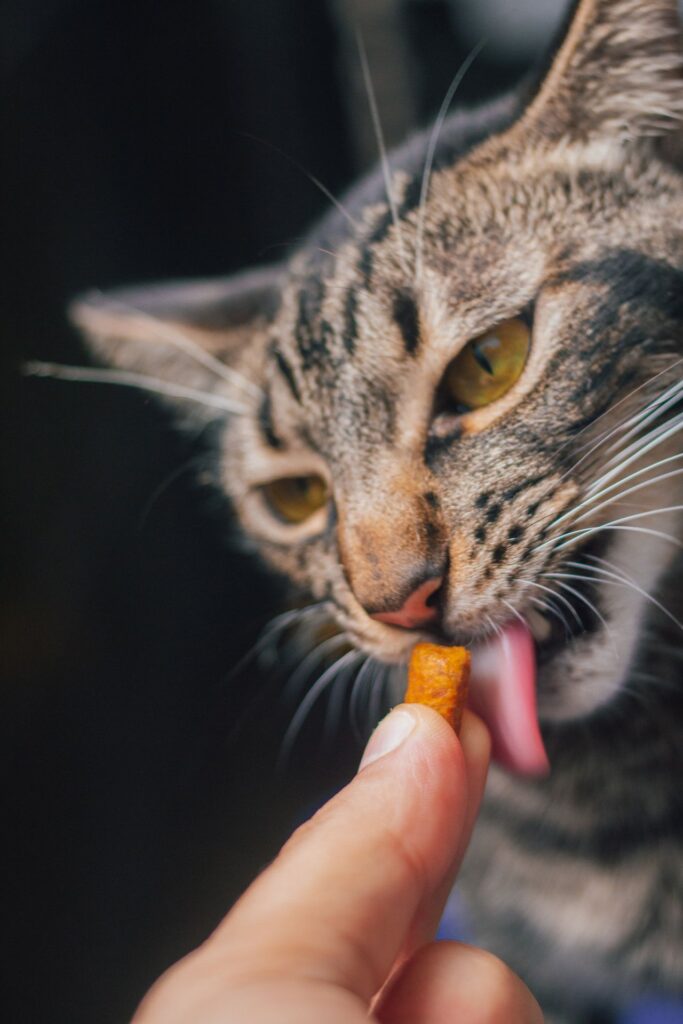
Not all prescriptions come in pill form. Liquids, eye drops, ear medications, and topical treatments each require a slightly different approach.
Start by measuring the prescribed dose with an oral syringe. If your cat won’t voluntarily lick the medication from the syringe, gently position the tip in the side of the mouth, behind the canine tooth.
Administer small amounts slowly, allowing your cat time to swallow between squirts. Never aim liquid directly toward the back of the throat or squirt it in all at once, as this can cause choking or aspiration.
Follow your veterinarian’s instructions for positioning your cat and applying the prescribed amount.
If your cat becomes squirmy or anxious, you may want to consider gently swaddling them in a small towel or recruiting an assistant to distract them with treats while you administer meds.
Work as quickly as possible and avoid touching the applicator tip to the eye, inner ear, or other surfaces.
Topical and transdermal medications are meant to be applied to a specific area of your pet’s body — use them only as intended.
Start by reviewing the dosing instructions. You may need to wear gloves before administering certain topicals to keep them from coming into contact with your skin. If your household contains children or other pets, your vet may recommend temporarily separating your cat to prevent accidental exposure from petting or grooming.
Your cat may never look forward to their medication, but taking it doesn’t have to become a power struggle.
If you have a kitten, consistent handling early in life can set you up for success if they ever need a prescription. Even older pets can get more acclimated to touch with practice and patience. When your cat is calm and no medication is involved, try gently touching their face, lifting an ear, or briefly holding a paw. Reward calm behavior with praise, affection, or a favorite treat.
You can also use rewards immediately after medication, provided they’re compatible with the prescription instructions. A small treat or short play session may help your cat associate the experience with something pleasant.
Calmness and predictability matter a great deal. Administer medication at the prescribed times and keep your supplies in one place so you aren’t scrambling once the process starts. A steady routine can make the process easier to manage over time.
Administering medication correctly isn’t just about getting it into your cat’s mouth. A few precautions can avoid preventable problems.
Establishing a smooth medication routine may take time, but most cats are surprisingly adaptable. Keep their comfort in mind and try to encourage positive associations with praise, play, and treats (if allowed).
With patience and consistency, giving your cat medication can become just another part of their day.






At Falls Village Veterinary Hospital, a Raleigh, NC veterinarian, dogs, cats & their families deserve the best. In fact, we specialize in delivering warm, compassionate care that reminds our clients and patients how unique and important they truly are. We provide complete veterinary care including dentistry, laser therapy, surgery, and more. Call us today!