Obesity is common in dogs across the US, and Raleigh’s suburban backyards don’t always provide enough exercise to control weight gain. Building regular movement and healthy feeding habits into your dog’s everyday routine can help prevent obesity before it becomes a health problem.
Raleigh residents don’t have to look hard for a place to exercise their pets. In a city with more than 200 parks and an extensive network of greenways, it’s surprising that over half of dogs are overweight or obese.
Despite being widely considered one of the most dog-friendly cities in the US, the hybrid urban/suburban lifestyle that most Raleigh residents enjoy can actually make it easy for dogs to get too little exercise and too many calories without their owners realizing it.
Here is what pet parents need to know about making weight management part of their dog’s daily routine.
Not exactly.
Though it’s logical to assume that dogs living in cities and suburbs are more likely to become overweight because they have less room to run, the science doesn’t support such a simple explanation.
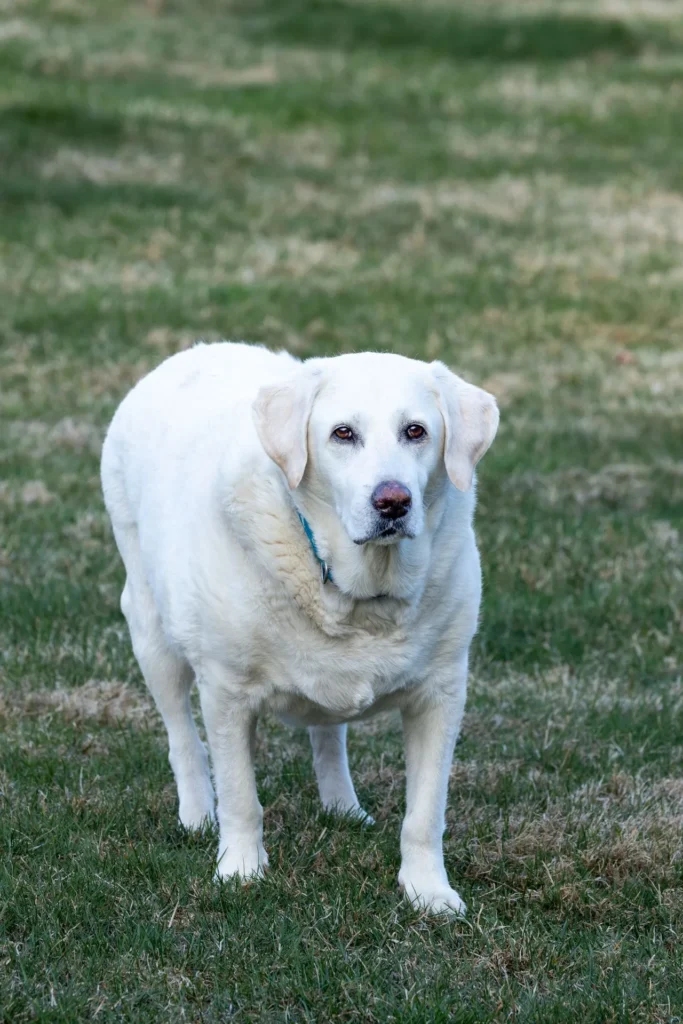 In one study, rural and semirural dogs actually had a higher risk of obesity than their urban and suburban counterparts. More recent research has identified factors like appetite and feeding habits as potentially more significant determinants of a dog’s weight than their environment alone.
In other words, having more land doesn’t automatically make a dog healthier, and living in an apartment doesn’t automatically make a dog overweight. What does seem to matter a great deal is the dog’s routine.
For many Raleigh dogs, a normal day frequently includes a lot of time indoors. They may ride in the car more often than they walk to destinations and relax in a fenced-in yard instead of taking structured walks. None of these things are inherently bad, but together they can add up to a surprisingly sedentary lifestyle.
A fenced yard is a wonderful resource for a dog, but simply having access to outdoor space doesn’t necessarily mean they are getting meaningful exercise.
Many dogs will happily spend time in the yard sniffing around, lounging in the shade, or waiting at the door to come back inside. Even dogs that run around occasionally may not get the sustained movement or mental stimulation that comes from exploring new spaces.
Walks, on the other hand, encourage dogs to move continuously while exploring novel sights, sounds, and smells.
Not every walk needs to be a strenuous workout. A daily trek around the neighborhood or an outing on one of Raleigh’s many walking trails and greenways can all be part of a healthy routine.
North Carolina weather can make it challenging to get outside every day.
While one missed walk won’t send your dog down a path towards obesity, it’s easy to let occasional interruptions turn into bad habits.
Think about daily activity as a routine rather than a single event. When it’s too hot and humid for a long afternoon walk, consider replacing it with shorter trips during cooler parts of the day.
Indoor dog parks, training exercises, and other forms of enrichment can also help get their needs met when the weather isn’t cooperating. Bored dogs are more likely to fixate on treats, so don’t underestimate the importance of mental engagement in maintaining a healthy weight.
Exercise is only one side of the equation. Excess calories can add up quickly, especially for small and aging dogs.
Frequently overlooked sources may include:
Small bites may be insignificant on their own, but they can contribute to significant weight gain over time.
Work with your vet to calculate your pet’s individual calorie needs and create structure around food. Treats don’t have to be off-limits, but it is important to get everyone in your household on the same page. Double-feeding and extra snacks will make it impossible to keep track of what your dog is actually eating throughout the day. Sticking to a schedule can help regulate your dog’s appetite and avoid sneaky calories.
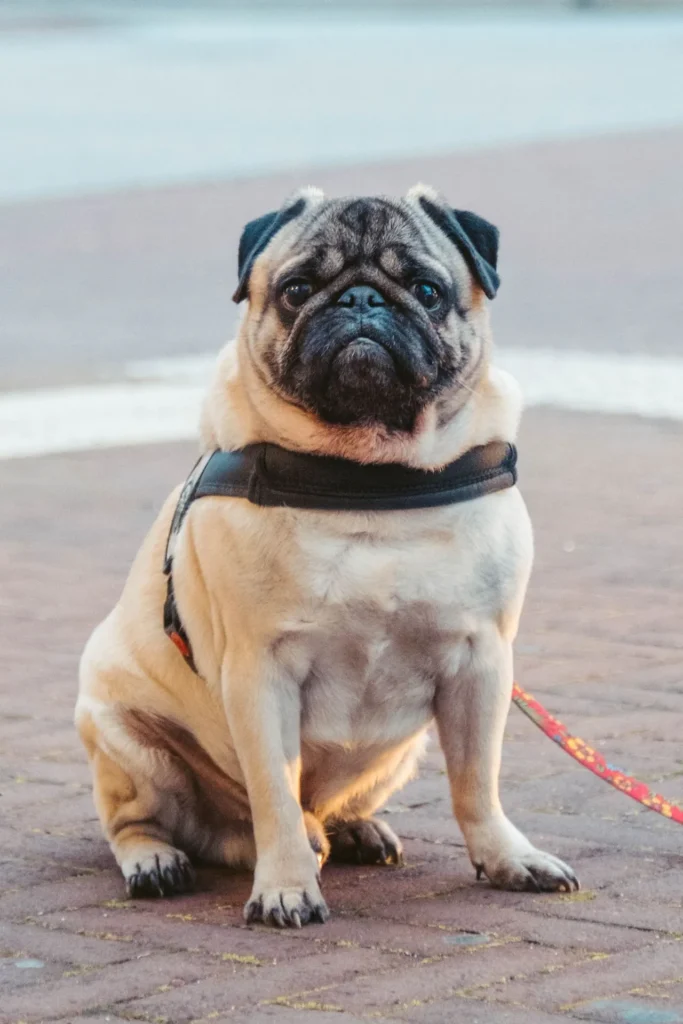
Intense exercise and restrictive eating aren’t necessary to keep your dog lean (or help an overweight dog slim down). Instead, look for ways to make healthy habits part of everyday life.
Your dog doesn’t need acres of farmland to get enough exercise or maintain a healthy weight.
Whether you live in a sprawling neighborhood or a small apartment, a lifestyle that balances nutrition, movement, mental stimulation, and rest will help your dog feel their best. For some dogs, this may look like a consistent daily walk. For others, it may include adventures on rugged hiking trails. Ultimately, it’s not where your dog lives, but how they spend their time that contributes to their health.
If you’re unsure whether your dog’s weight is appropriate, ask your veterinarian to evaluate their body condition at their next wellness visit. Regular monitoring can help you recognize small changes before excess weight becomes a larger health concern and keep your dog active and comfortable for years to come.




At Falls Village Veterinary Hospital, a Raleigh, NC veterinarian, dogs, cats & their families deserve the best. In fact, we specialize in delivering warm, compassionate care that reminds our clients and patients how unique and important they truly are. We provide complete veterinary care including dentistry, laser therapy, surgery, and more. Call us today!