TL; DR: Glaucoma is a condition caused by a buildup of fluid inside the eye. Because it can progress quickly, dogs or cats with red, cloudy, or painful eyes should be seen by a vet immediately to help prevent permanent vision loss.
The structures that make up your pets’ eyes are complex and delicate. When pressure inside the eye gets too high, those structures may become damaged, leading to significant pain and possible blindness.
Although it’s more common in dogs, cats can develop glaucoma too. Learn how to spot the symptoms and act quickly to support your pet’s comfort and long-term eye health.
 What is Glaucoma?
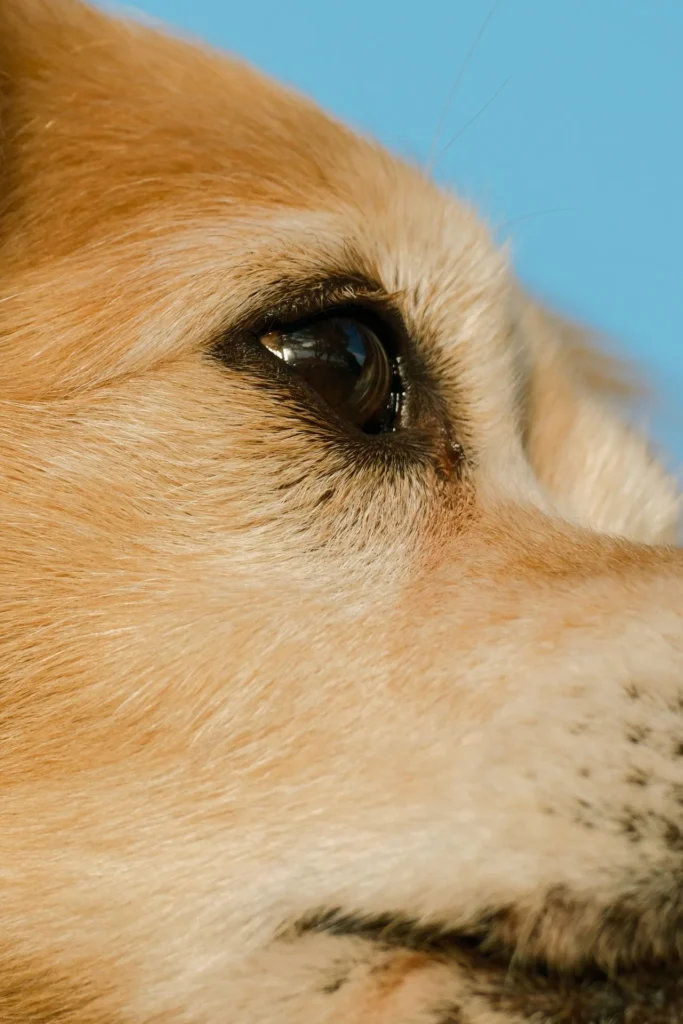
Glaucoma occurs when fluid builds up inside the eye and puts excessive pressure on its inner anatomy.
In healthy pets, the eye continuously produces a clear fluid called aqueous humor. This fluid provides nutrients to certain structures within the eye and helps maintain its shape. As new fluid is produced, an equal amount normally drains through specialized channels located near the front of the eye.
Glaucoma develops when the drainage process gets disrupted. Fluid accumulates, and intraocular pressure (IOP) increases. Over time, this pressure can injure the retina and optic nerve, which are responsible for transmitting visual information to the brain.
The resulting damage can cause partial or complete blindness. Unfortunately, once the optic nerve has been significantly damaged, lost vision usually can’t be restored.
There are two general categories of glaucoma: primary and secondary.
Primary glaucoma develops because of an inherited abnormality in the eye’s drainage system. Certain breeds have a genetic predisposition to the condition, including:
This presentation of glaucoma may eventually affect both eyes, even if symptoms initially appear in just one.
Secondary glaucoma develops when a secondary condition interferes with normal fluid drainage. Possible causes include:
While hereditary glaucoma is more common in dogs, cats are more likely to develop glaucoma as a complication of inflammation, eye injuries, or underlying eye disease.
Because glaucoma can originate in different ways, identifying the cause is an important part of determining how to treat effectively treat it.
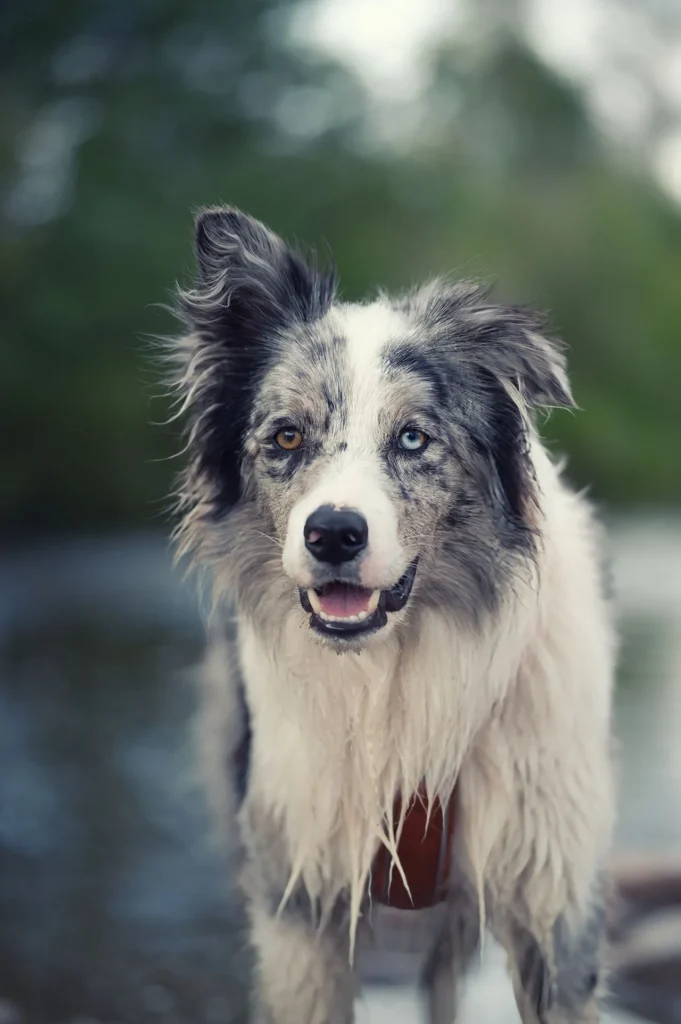
Glaucoma may develop gradually, but it can also appear suddenly. When pressure inside the eye increases rapidly, what starts as seemingly minor eye irritation can become a serious threat to your pet’s vision.
It’s easy to mistake early glaucoma symptoms for seasonal allergies, entropion, or conjunctivitis, but don’t ignore these signs:
The increase in pressure causes significant discomfort, but many pets are reluctant to show their pain. Dogs and cats may rub their faces, avoid having their heads touched, or simply become less active.
If their demeanor seems off in any way, don’t wait to see if eye problems resolve on their own. Suspected glaucoma warrants a visit to the emergency vet.
To diagnose glaucoma, your veterinarian will examine your pet’s eyes and measure intraocular pressure. They may also examine the structures inside the eye to look for signs of inflammation, injury, or other underlying conditions.
Treatment focuses on lowering eye pressure as quickly as possible, managing discomfort, and addressing the root cause once it’s been identified.
Long-term management strategies are common, particularly for primary glaucoma. Certain medications can help reduce fluid production or improve drainage, and pets may need routine appointments to monitor their condition. If one eye is affected by primary glaucoma, the other eye can also be at risk. After an initial diagnosis, preventative treatment helps preserve your pet’s vision and avoid another emergency.
Unfortunately, not every case of glaucoma can be successfully managed without vision loss. If an eye has already become permanently blind and remains painful, surgical removal of the eye may be the best course. Although this can be a difficult decision for owners, it is often the best choice for your pet’s quality of life. Most dogs and cats adapt to vision loss remarkably well with the right support.
Your veterinarian can explain your options and help determine the best approach based on your pet’s individual needs.
Glaucoma is not always preventable, particularly when it develops because of inherited factors. However, routine veterinary examinations can help identify eye abnormalities and other conditions that may increase your pet’s risk.
If your pet belongs to a breed predisposed to primary glaucoma, talk with your veterinarian about appropriate screening and monitoring. Most importantly, never ignore sudden changes in your pet’s eyes. Redness, cloudiness, squinting, or unusual pupil changes require prompt attention, even if your pet seems otherwise healthy.
When it comes to glaucoma, time matters. Seeking veterinary care at the first sign of an eye problem can help protect your pet’s vision, prevent unnecessary suffering, and give them the best possible chance of a better outcome.




At Falls Village Veterinary Hospital, a Raleigh, NC veterinarian, dogs, cats & their families deserve the best. In fact, we specialize in delivering warm, compassionate care that reminds our clients and patients how unique and important they truly are. We provide complete veterinary care including dentistry, laser therapy, surgery, and more. Call us today!