Every dog has a unique personality and temperament, but aggressive behavior rarely comes out of nowhere. For most dogs, biting is a “last resort” behavior — something they turn to when they feel afraid, overwhelmed, or unable to leave a stressful situation.
Most accidents and injuries occur only after a dog has tried to communicate their discomfort in other ways. When pet parents know what to look for, it becomes much easier to recognize distress and intervene before the situation escalates to a bite.
While every pet is different, there are several nearly-universal cues that a dog is becoming agitated. Here’s how to understand the signals and stay safe.
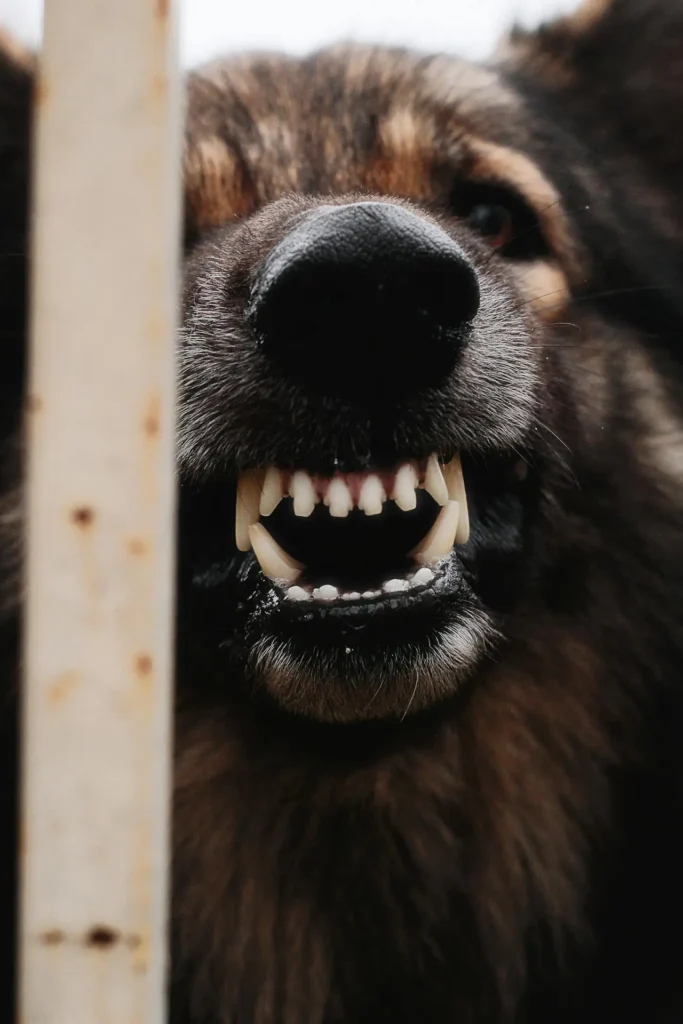 Why Dogs Bite
While it’s tempting to think of biting as “bad behavior,” it’s usually a sign of something deeper.
Dogs bite when:
Recognizing these root causes gives you a major advantage in preventing bites before they happen.
Dogs communicate with their entire bodies. Long before growling or snapping, you’ll likely notice changes in your dog’s posture and mannerisms — some subtle, some more obvious.
A dog’s face often gives the earliest and most important clues. Pay attention to:
The way a dog holds its body can signal fear, tension, or a defensive reaction to something in their environment.
When dogs cower, crouch, or become stiff, they are likely experiencing high levels of fear and anxiety that can contribute to a bite. Raised hackles (the hair that runs along a dog’s spine) can be a general indicator of arousal, but in the context of a stressful situation, it’s a warning that your pet is reaching their threshold of tolerance.
Not all wagging is a sign of contentment. Watch your dog’s tail for insight into their mental state.
Not all dogs growl or snarl before they bite. High-pitched whining can also be an important warning sign, especially when paired with other signals of distress.
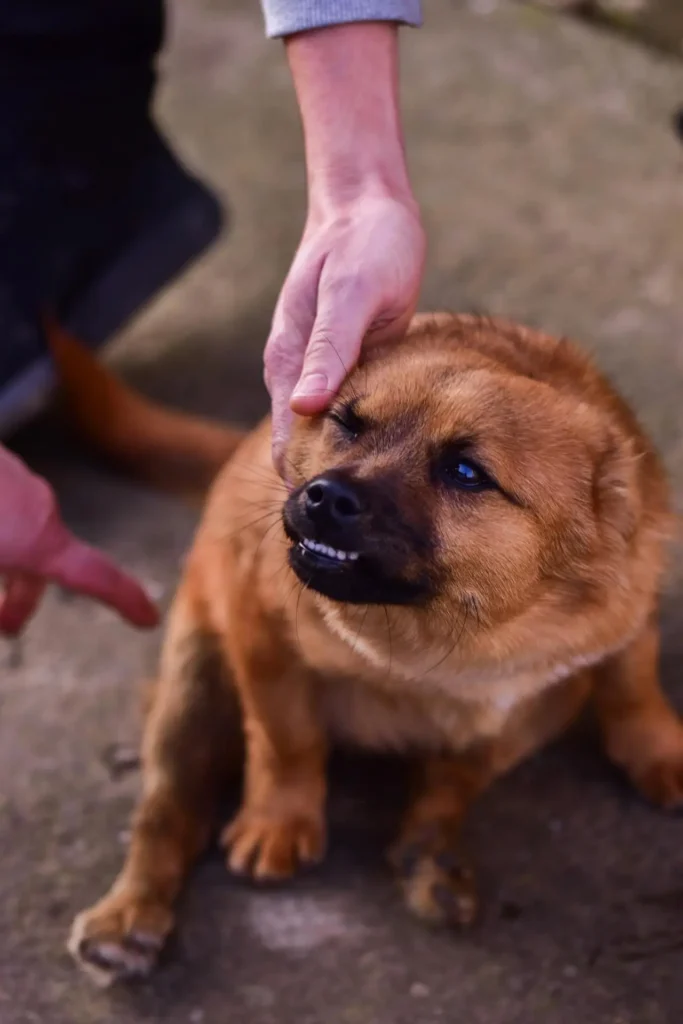
Our dogs need our help to navigate situations that commonly trigger bites. Stay alert and keep yourself, your dog, and others safe.
The best way to avoid biting incidents is to learn your dog’s triggers and help them feel safe. For some dogs, this may mean avoiding certain scenarios altogether.
A naturally anxious pet may not be able to tolerate the chaos of the dog park or local brewery. A dog that struggles with resource guarding may react poorly if a neighbor’s child picks up their favorite ball.
Be aware of your dog’s limitations, and make sure others understand how they prefer to be approached, touched, or played with. Set your dog up for success, and you’ll greatly reduce their stress.
If you notice signs of fear and stress, remove your dog from the situation before they can become aggressive. It’s better to end a playdate early than risk a potentially tragic incident.
If your dog is suddenly uncharacteristically irritable, they may be unwell or in pain. Visit your vet to rule out any physical explanations for aggression before framing it as a behavioral issue.
Many bites happen when dogs feel trapped or cornered. As much as possible, give your pet choices and provide a clear escape route from any unwanted interactions. Never force greetings with visitors, children, or other dogs.
Certain triggering situations can’t always be avoided, so it’s important to make sure that you and your dog have the tools to respond to stress, fear, and anxiety in healthy ways.
Cuing your dog to retreat from an escalating situation, leveraging positive reinforcement, and working with a trainer to gently desensitize your dog to triggers can make a significant difference with consistency.
The better you can recognize when they’re becoming overwhelmed, the more you’ll be able to help them practice tolerating stress without becoming aggressive.
Dogs communicate constantly, but their signals are easy to miss unless you know what to look for. By learning to read your dog’s body language, you can respond before a situation becomes dangerous.
A little awareness goes a long way toward preventing bites and strengthening the bond between you and your dog. Help them feel secure in challenging situations, and you’ll greatly reduce the likelihood of an incident.





At Falls Village Veterinary Hospital, a Raleigh, NC veterinarian, dogs, cats & their families deserve the best. In fact, we specialize in delivering warm, compassionate care that reminds our clients and patients how unique and important they truly are. We provide complete veterinary care including dentistry, laser therapy, surgery, and more. Call us today!