A dog first aid kit should include basic supplies for cleaning and covering minor wounds, controlling bleeding, and protecting injured paws until veterinary care becomes available. Gauze, sterile saline, self-adhering bandages, tweezers, gloves, and a tick-removal tool are all useful components of a well-stocked kit.
Whether you’re on a remote hiking trail or strolling through downtown Raleigh, cuts, scrapes, and other injuries can happen anywhere. Even the most careful pet parents won’t always be able to avoid broken glass, sharp thorns, and unexpected wildlife encounters — but they can choose to come prepared.
Your canine first aid kit isn’t a replacement for veterinary care, but it will allow you to triage accidents and support your dog while you determine your best next steps. Gather the essentials ahead of your next adventure, and set out with confidence.
A highly useful first aid kit doesn’t need to be cumbersome. Start with versatile items that help with common injury scenarios, and tailor your basic kit to suit your destination as needed.
If your dog gets a cut or puncture wound, you’ll want to have something on hand to contain any bleeding.
Sterile gauze pads can be used to cover minor wounds and absorb blood while creating a barrier between broken skin and germs. Pair them with a roll of self-adhering bandage tape, and you’ll have a way to apply gentle, consistent pressure without getting adhesive stuck in your dog’s fur.
For trips that take you farther away from civilization, adding a few clean towels or cloths to your pack is a smart move. They can be used to hold pressure on wounds and keep injuries dry and clean.
 Saline
A sterile saline wound wash is useful for flushing dirt and other debris from minor wounds and allowing you to get a better look at the actual size of a cut or scrape.
Saline solution is formulated to clean broken skin without stinging or burning, making it a much more comfortable choice than rubbing alcohol.
Consult with your vet before adding other topical wound care products to your kit, particularly those formulated for human use. Some products may be harmful if your dog licks them.
A few simple tools will make your canine first aid kit much more useful in an emergency.
Tweezers can help remove superficial splinters, thorns, burrs, or other small pieces of debris, and a pair of blunt-tipped scissors can cut gauze, tape, or bandaging material to the appropriate size.
Add a few pairs of disposable gloves in case you ever need to clean or dress a wound somewhere you’re unable to clean your hands. The barrier will help you avoid introducing dirt and germs to the injury.
If space permits, consider adding a dedicated tick removal tool. Dogs who spend time in wooded and grassy areas are vulnerable to tick-borne illnesses like Lyme Disease and Ehrlichiosis. Inspect your pet for ticks whenever they’ve been outdoors, especially during warm months.
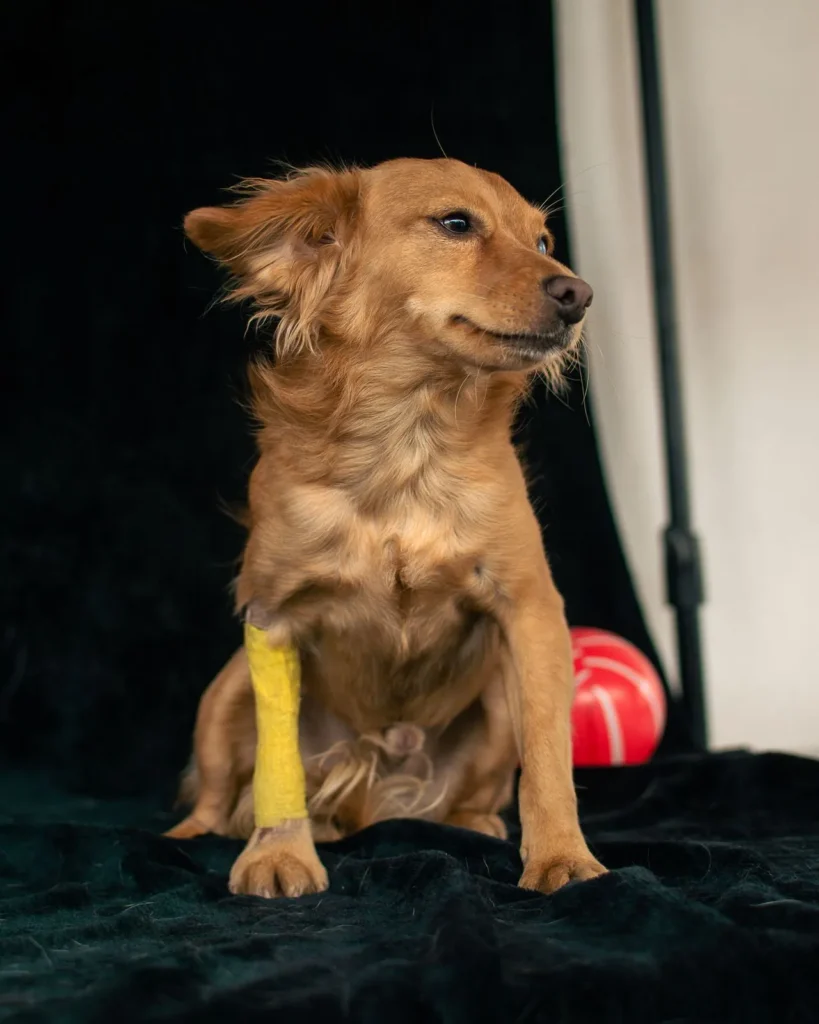
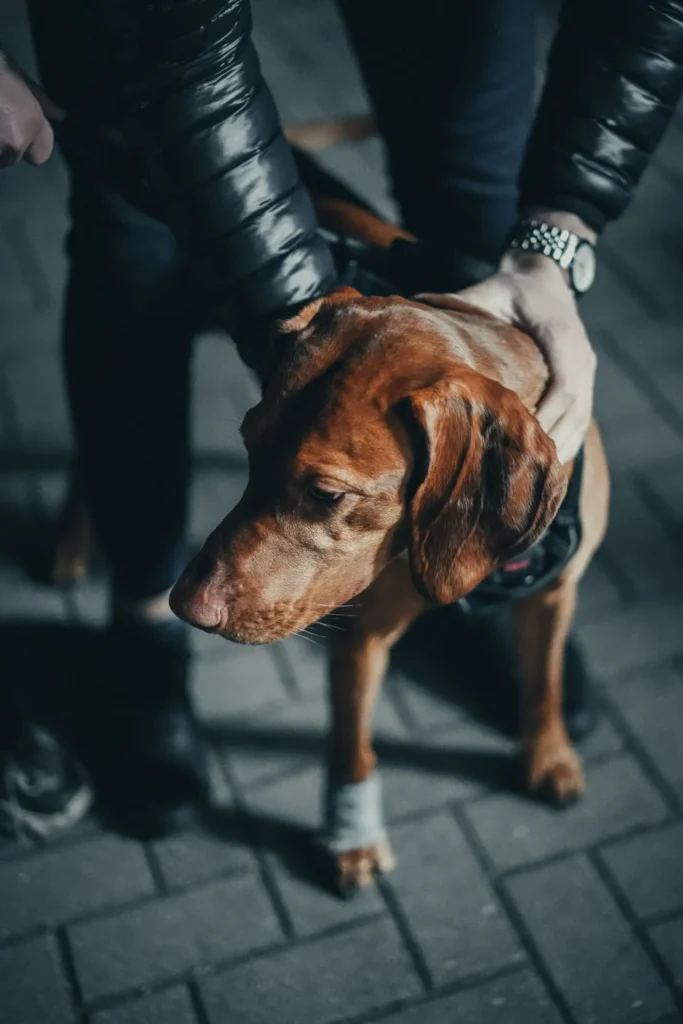
Small cuts and blisters on your dog’s paws can easily turn serious if they become infected. Because of their constant contact with frequently dirty surfaces, paw injuries need protection.
Gauze or even a clean sock can provide a temporary barrier, but a protective bootie can be a lifesaver if your dog gets injured far from home.
Some paw injuries are unavoidable, but looking out for hot pavement on summer days is the simplest way to prevent painful burns. If it’s too hot to hold your hand on the sidewalk for five seconds, it’s too hot for your dog’s paws.
Your first aid kit doesn’t have to look the same for every outing. Pack the basics, and then build your kit with the day’s itinerary in mind.
For a quick walk around your neighborhood, a compact kit containing gauze, saline, bandaging material, tweezers, and gloves may be enough. On the other hand, if you’re visiting the dog park or setting out for a long hike, you may want to add additional water, towels, and wound care supplies.
If space permits, consider adding these items:
A cloth muzzle may also be useful in some situations, as even gentle dogs can become unpredictable if they are in pain or have just experienced an animal attack. Never muzzle a dog that is vomiting or having difficulty breathing.
While many bandaging and wound care materials that work well for humans also help dogs, most medications do not.
Human pain relievers like Tylenol (acetaminophen) and Motrin (ibuprofen) can cause gastrointestinal ulcers, kidney damage, liver toxicity, and other serious problems in dogs. Veterinarians do prescribe medications from some of these drug classes in certain circumstances, but the veterinary formulation, dose, and safety considerations make a crucial difference. A medication that is appropriate for one dog may be very dangerous for another.
Unless you’ve been told otherwise by your vet, leave these items out of your first aid kit:
Your kit should focus on cleaning and protecting wounds and getting your dog to safety — not diagnosing or treating medical problems yourself.
Seek immediate treatment for injuries involving:
Minor-seeming injuries may be more serious than they look, and delaying care can make them worse. When in doubt, head to the vet.
A first aid kit is only helpful if its contents are ready to use. Examine it periodically and replace anything you’ve used, damaged, or allowed to expire. Make sure sterile supplies remain sealed and that you have enough bandaging material for your dog’s size.
You can’t predict every mishap your dog might encounter, but you can make sure you’re prepared for the common ones. A few basic supplies can help you respond quickly and keep your dog safe while you wait for veterinary care.




At Falls Village Veterinary Hospital, a Raleigh, NC veterinarian, dogs, cats & their families deserve the best. In fact, we specialize in delivering warm, compassionate care that reminds our clients and patients how unique and important they truly are. We provide complete veterinary care including dentistry, laser therapy, surgery, and more. Call us today!